Chevy Corvette Carbon Fiber Wheels: Pros and Cons
▼ Summary
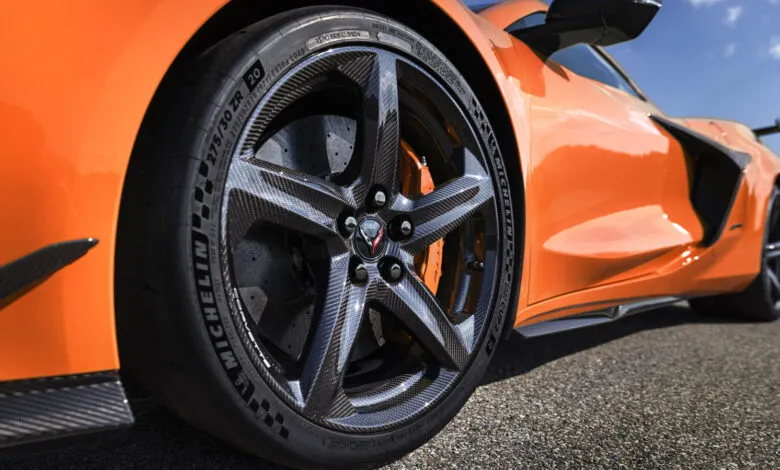
– Carbon fiber wheels, like those on the Corvette Z06 and E-Ray, offer improved track composure and road agility but are not without drawbacks.
– Concerns about durability, extreme temperature handling, and repairability are often based on myths or issues with untested aftermarket hybrid wheels.
– For OEM wheels from Carbon Revolution specifically, these durability concerns are generally unfounded, and professional repair options exist.
– The primary legitimate disadvantage is high cost, ranging from $10,000 to $12,000 per set, driven by complex manufacturing processes.
– The trade-off is exceptional performance for a premium price, making them ideal for hardcore enthusiasts, while forged aluminum wheels remain a strong standard option.
The decision to equip a Chevrolet Corvette with carbon fiber wheels represents a significant performance upgrade, offering tangible benefits in handling and agility. These advanced wheels provide a substantial reduction in unsprung weight, which translates directly to sharper steering response, improved acceleration, and superior braking performance. Both the track-focused Z06 and the hybrid E-Ray models demonstrate a more composed and agile character with this technology. However, this high-end option comes with important considerations beyond its impressive on-road and on-track demeanor.
A primary concern for many revolves around long-term durability. While myths persist about carbon fiber’s inability to withstand extreme temperatures or be repaired, these often stem from early aftermarket “hybrid” wheels that combined carbon with metal alloys. Those third-party products were not subject to rigorous original equipment manufacturer (OEM) testing standards. For factory-offered wheels from a supplier like Carbon Revolution, which meet or exceed stringent fatigue benchmarks, such concerns are largely unfounded. Professional repair options for damaged carbon fiber wheels do exist, provided you know where to look for qualified specialists.
The most significant and legitimate drawback is the cost. The intricate, labor-intensive manufacturing process currently places a set of these wheels in the $10,000 to $12,000 range, with variations based on the specific finish. This premium is driven by the complex layup and curing processes required to create a strong, lightweight wheel. Industry leaders anticipate that expanded production and increased automation will eventually help lower prices. Some automakers are exploring novel manufacturing approaches to reduce costs, but for now, the investment remains substantial.
Ultimately, the tradeoff is clear. You are paying for extraordinary, measurable performance gains. For the dedicated enthusiast who regularly pushes their Corvette to its limits or simply desires the absolute sharpest version available from the factory, the advantages of reduced rotational mass and enhanced dynamics overwhelmingly justify the expense. For drivers whose usage is less extreme, the forged aluminum wheels provided as standard equipment continue to offer an excellent and robust performance baseline, making the carbon fiber option a compelling but distinctly premium choice.
(Source: JALOPNIK)