Merriam-Webster’s Word of the Year Calls Out AI Junk
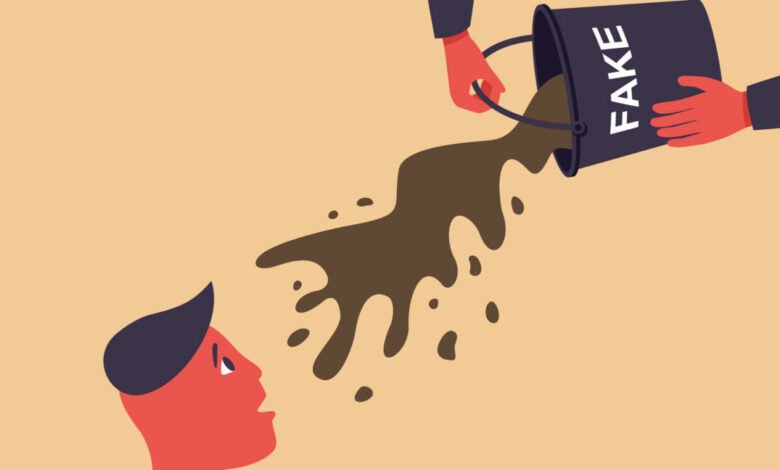
▼ Summary
– Merriam-Webster has selected “slop” as its 2025 Word of the Year, defining it as low-quality, mass-produced AI-generated content.
– The term’s selection reflects a growing public awareness and annoyance with encountering fake or shoddy AI content online.
– The dictionary’s editors choose the Word of the Year by analyzing data on search volume spikes and usage trends.
– This follows a trend of dictionaries selecting words related to digital culture, like “hallucinate” and “rage bait” in recent years.
– The word “slop” builds on its historical meaning of rubbish, now applying to unwanted, low-value AI outputs.
The selection of “slop” as Merriam-Webster’s 2025 Word of the Year powerfully captures a widespread digital experience. It officially defines the term as low-quality digital content, typically mass-produced by artificial intelligence. This recognition underscores how deeply AI-generated material has permeated online spaces, from social media feeds to search engine results, often to the frustration of users seeking genuine information.
Dictionary president Greg Barlow noted the term is both illustrative and reflective of a transformative technology that people find fascinating, annoying, and somewhat absurd. The selection process involves editors analyzing which words have seen significant spikes in search volume and everyday usage, aiming to pinpoint the term that most defines the cultural moment. The notable rise in lookups for “slop” signals a growing public consciousness; people are increasingly recognizing and seeking to name the substandard or fake content they encounter online.
This is not the first time lexicographers have documented AI’s linguistic footprint. In 2023, the Cambridge Dictionary chose “hallucinate” as its word of the year, highlighting AI’s tendency to generate confident but fabricated information. The broader online landscape continues to spawn new terminology. Oxford University Press recently selected “rage bait” for content engineered to provoke outrage, while Cambridge also spotlighted “parasocial,” describing the one-sided relationships between audiences and public figures.
The evolution of the word “slop” itself is telling. It entered the English language centuries ago referring to soft mud. By the 1800s, it described food waste given to livestock, later broadening to mean any rubbish or worthless product. This new, tech-centric definition builds directly on that historical foundation—it’s the modern, digital incarnation of something undesirable and of little value, effectively naming the unwanted byproducts of a powerful new tool.
(Source: Ars Technica)