Tesla Tests Driverless Robotaxis in Austin
▼ Summary
– Tesla is now testing its Robotaxi service in Austin, Texas, with no human safety monitor inside the vehicles.
– This move is a critical step toward launching a commercial Robotaxi service to compete with companies like Waymo.
– The testing has drawn scrutiny, as Tesla’s small test fleet has been involved in at least seven crashes since June.
– CEO Elon Musk has made ambitious claims about the service’s expansion, but fleet size and timelines have been revised downward.
– Regulatory environments differ, with Texas having fewer barriers than California for deploying fully driverless rides.
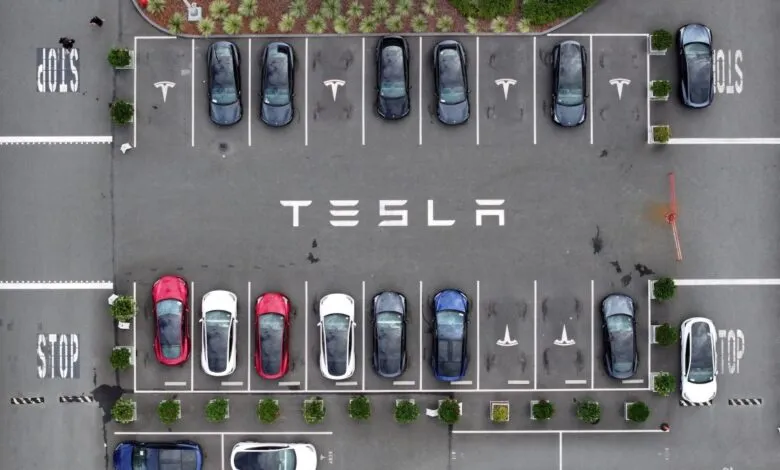
Tesla has entered a new phase of testing for its autonomous ride-hailing service in Austin, Texas, by removing the human safety monitors from its vehicles. This move represents a significant milestone for the company as it works toward launching a commercial driverless robotaxi service that aims to compete directly with established players like Waymo. For nearly a decade, CEO Elon Musk has promoted the vision of Tesla vehicles becoming fully autonomous through software updates, and this latest development brings that ambitious goal closer to reality.
The decision to operate vehicles with no occupants is likely to attract increased regulatory and public scrutiny, especially as Tesla prepares to offer passenger rides in these empty cars. Since initiating tests in June, the company’s small fleet has been involved in several reported crashes, though specific details remain limited due to Tesla’s practice of heavily redacting reports submitted to safety authorities. Over the weekend, social media footage showed a vacant Tesla Model Y navigating Austin streets, which Musk later confirmed was part of the new testing phase. The company has not provided a clear timeline for transitioning to customer rides without safety monitors, but a recent post on its official X account hinted at an accelerated pace with the phrase, “Slowly, then all at once.”
Initial testing in Austin began last June with a select group of influencers and customers, featuring an employee in the passenger seat ready to intervene if necessary. By September, that safety monitor had shifted to the driver’s seat. Tesla has since expanded the service area to cover much of the Austin metropolitan region and removed its initial waitlist, though independent observers estimate the fleet size remains modest, at roughly 25 to 30 vehicles. Musk has made bold predictions about the scale of the future robotaxi network, initially claiming it could serve half the U.S. population by year’s end before revising that estimate downward to a planned doubling of the Austin fleet to about 60 cars.
Concurrently, Tesla is operating a ride-hailing service in the San Francisco area where drivers utilize the company’s advanced driver-assistance software. California’s regulatory environment would require Tesla to secure additional permits for fully driverless operations, whereas Texas imposes fewer restrictions, making it a more flexible testing ground. Musk has long discussed a model where Tesla owners could enroll their personal vehicles in a shared robotaxi network, a concept he promoted as far back as 2016 by asserting that all Tesla cars contained the necessary hardware for full autonomy. That claim has since been retracted, with the related blog post removed from Tesla’s website, and the company now acknowledges that millions of existing vehicles will require hardware upgrades to participate in such a service.
(Source: TechCrunch)