San Francisco Mayor Declares City ‘On the Rise’
▼ Summary
– The author met Mayor Daniel Lurie just before an on-stage interview, noting his tight schedule and high local approval rating.
– San Francisco is portrayed as a global AI hub with major companies and investment, though this has increased rents and strained housing.
– The city is showing positive signs like decreasing office vacancies, returning retail, and historically low crime rates in key categories.
– Lurie successfully opposed a federal plan to deploy the National Guard by mobilizing tech executives, but avoids discussing federal dynamics publicly.
– His strategy focuses conversation on local issues rather than engaging with national politics, differing from some other Democratic leaders.
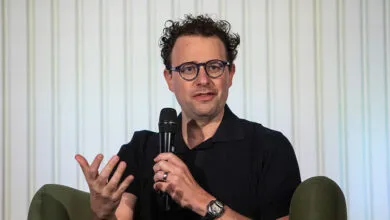
Meeting San Francisco’s new mayor, Daniel Lurie, felt like stepping into the city’s current moment, a blend of urgent momentum and tightly scheduled optimism. We were introduced just minutes before taking the stage at a recent tech event, with his team emphasizing his packed calendar. He had just appointed a new police chief and carved out a brief window before rushing to his next, unspecified commitment. “No idea,” he joked about what came next, a remark that captured the frenetic pace of his role. The audience, composed of local residents, responded warmly to his presence, reflecting the strong public approval he has garnered since taking office earlier this year.
The narrative Lurie champions is one of tangible progress. San Francisco firmly stands as the global epicenter for artificial intelligence innovation, attracting billions in investment and a concentration of talent. Major players like Anthropic and OpenAI anchor a vibrant ecosystem that includes ambitious startups and a wave of young technologists. This economic surge brings familiar challenges: rising rents and a persistent housing shortage. Yet, positive signs are emerging. Office vacancies are declining, retailers are returning to downtown corridors, and key public safety metrics show encouraging trends. Reported homicides and vehicle break-ins have reached historic lows, figures his administration frequently highlights.
Our conversation naturally explored these developments, but I was equally interested in the broader political landscape. Specifically, I inquired about his relationship with the federal government, especially following last October’s proposal to deploy the National Guard into the city. Reports indicated Lurie successfully mobilized a coalition of influential tech leaders to lobby against the move, effectively preventing it. On this topic, however, the mayor was notably reserved. He consistently redirected the discussion back to local issues, a strategic choice that may aim to avoid unnecessary conflict with the current national administration.
This approach distinguishes him from some other Democratic leaders in progressive strongholds, who often engage more directly in federal-level debates. For now, his strategy of focused, local messaging appears to resonate with his constituents. The enthusiastic reception from the crowd suggested that his supporters are content with this “say less” posture, prioritizing visible city improvements over political theater.
The following exchange has been condensed for clarity.
KATIE DRUMMOND: There’s certainly a supportive energy in the room. A seventy-plus percent approval rating is quite an achievement.
DANIEL LURIE: Thank you. I should apologize for my socks, actually. They’re just plain black today. I usually try to wear something with a bit more personality.
(Source: Wired)