EU Probes Meta for Blocking AI Chatbots on WhatsApp

▼ Summary
– The European Commission has launched an antitrust investigation into Meta’s policy change that bans other AI companies from offering chatbots via WhatsApp’s business tools.
– This policy, effective in January, specifically prohibits general-purpose AI chatbots like those from OpenAI, while allowing business-focused AI customer service tools to continue.
– EU regulators are concerned the policy illegally blocks competitors, giving Meta’s own AI service, Meta AI, an unfair advantage on the WhatsApp platform.
– If found guilty of breaching EU rules, Meta could face a fine of up to 10% of its global annual revenue and other corrective measures.
– WhatsApp defends the policy as necessary because its systems weren’t designed to support such chatbots, and it claims users have many other ways to access rival AI services.
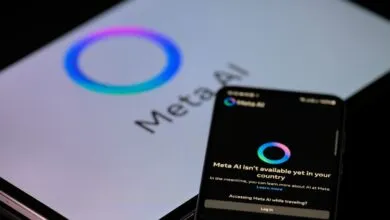
European regulators have initiated a formal antitrust investigation into Meta’s decision to restrict third-party AI chatbots on WhatsApp, a move that could significantly impact competition in the rapidly growing artificial intelligence sector. The European Commission announced the probe, expressing concern that Meta’s updated policy may illegally stifle innovation by blocking rival AI services while allowing its own Meta AI product to operate freely on the platform.
The controversy stems from a policy change WhatsApp announced in October, which prohibits general-purpose AI chatbots from using its Business API. The company stated this interface was never intended as a distribution platform for such chatbots, with the new rules set to take full effect in January. This policy shift would effectively remove popular AI tools like those from OpenAI and Perplexity from the messaging app. It is important to note that the restriction does not apply to businesses using AI for specific customer service functions, such as a retailer’s automated support system.
The Commission’s primary worry is that this action could prevent third-party AI providers from offering their services through WhatsApp across the European Economic Area. In an official statement, regulators noted that competing AI providers may find themselves blocked from reaching their customer base on WhatsApp, while Meta’s own service faces no such limitations. This creates a potential imbalance in a critical and fast-evolving market.
Teresa Ribera, an executive vice-president at the European Commission, emphasized the need to safeguard the competitive landscape. She stated that with AI markets experiencing explosive growth, it is essential to ensure European citizens and businesses can fully benefit from this technological shift. The investigation aims to determine whether Meta’s policy constitutes an abuse of its dominant position, potentially crowding out innovative competitors in violation of EU competition law. Regulators have indicated they are prepared to act swiftly to prevent any irreparable harm to competition.
The potential consequences for Meta are substantial. If found guilty of breaching antitrust rules, the company could face a fine of up to 10% of its global annual revenue. The Commission may also impose additional corrective measures to restore fair competition within the digital ecosystem.
In response to the allegations, a WhatsApp spokesperson rejected the EU’s claims as “baseless.” The company argued that supporting AI chatbots on its Business API places an undue strain on systems not designed for that purpose. Furthermore, the spokesperson contended that the AI space remains highly competitive, with users having numerous alternative avenues to access rival services, including through app stores, search engines, and direct integrations with other platforms.
(Source: TechCrunch)