Android Code Hints at OpenAI’s ChatGPT Ad Plans
▼ Summary
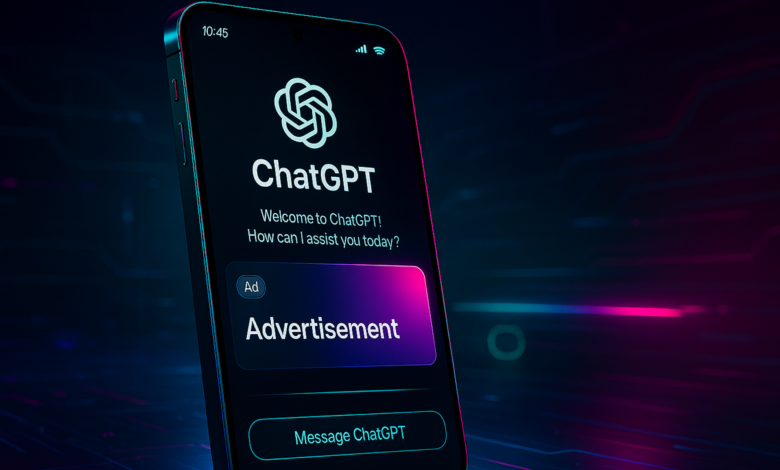
– OpenAI is developing an ad system for ChatGPT, as indicated by code strings like “search ad” found in the latest Android beta app.
– The ads are likely intended to help OpenAI offset the high costs of serving free users, while paid plans are expected to remain ad-free.
– A user has already reported seeing a live, unrelated promotional ad within a ChatGPT conversation, despite being a paid subscriber.
– OpenAI’s leadership has shifted its stance over the past year from publicly dismissing ads to actively building an in-house advertising platform.
– The move suggests ChatGPT could become a major ad-supported platform, with the CEO citing Instagram’s ad model as a potential inspiration.
Recent discoveries within the code of the latest ChatGPT Android beta application point toward OpenAI actively developing an advertising system. Strings referencing “ads feature,” “bazaar content,” and “search ad” suggest a framework is being built, likely to monetize commercial queries like shopping or product searches rather than plastering disruptive banners throughout every conversation. This strategic move aims to help the company offset the substantial costs of serving its vast user base while keeping its paid subscription plans ad-free.
The financial pressure to explore new revenue streams is considerable. Despite significant investor funding, reports indicate that income from subscriptions and partnerships may not be keeping pace with OpenAI’s operational expenses. Introducing ads in ChatGPT represents a pivotal shift in the company’s monetization strategy, transitioning from publicly dismissing the idea to quietly laying the technical groundwork. This evolution aligns with leaked internal forecasts from early 2025, which projected $1 billion in revenue from “free user monetization” by 2026.
Adding credence to these technical findings, a user on the premium $200-per-month ChatGPT Pro plan reported an unexpected encounter. During a discussion about an Elon Musk podcast interview, the AI assistant displayed a promotional message stating, “Find a fitness class, Connect Peloton.” The user expressed surprise on social media, noting the apparent lack of contextual relevance. This incident, while isolated, provides a tangible glimpse of what a live ad integration might look like, even if it was potentially a test or error.
The company’s public stance on advertising has undergone a notable transformation over the past year. In late 2024, executives like CFO Sarah Friar stated there were “no active plans” for ads, with CEO Sam Altman describing advertising as a “last resort.” However, by mid-2025, the narrative began to change as OpenAI started hiring for roles to build campaign tools and an in-house ads platform. Altman later cited a change of heart, praising Instagram’s ad model and suggesting ChatGPT might develop a “cool” advertising approach that benefits users.
For brands and marketers, the impending arrival of ads on ChatGPT opens a significant new channel. The platform’s reach to nearly a billion users presents a substantial opportunity for targeted engagement. While the final ad format and rollout timeline remain unclear, the code evidence and shifting executive commentary confirm that ads are moving from theoretical exploration to concrete implementation. This development marks a major step in ChatGPT’s journey toward becoming a partially ad-supported platform, fundamentally altering its relationship with free users and the digital advertising landscape.
(Source: MarTech)