Google Aims to Dominate Desktops With Aluminium OS
▼ Summary
– ChromeOS has historically not competed effectively with Windows and macOS in premium segments due to lacking powerful features.
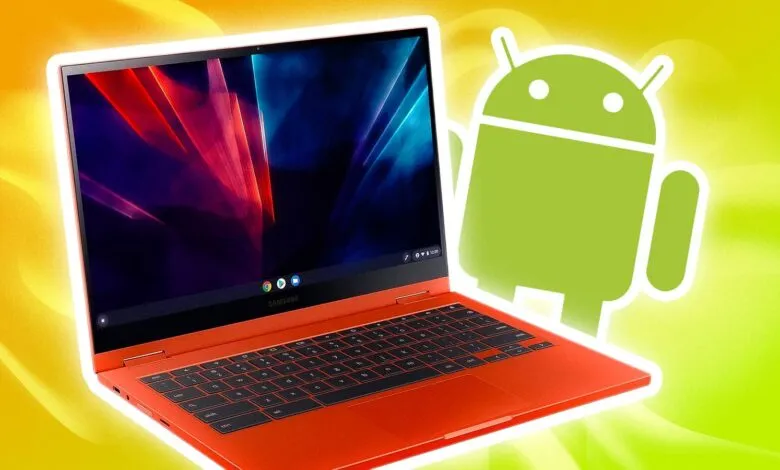
– Google is officially replacing ChromeOS with a new desktop operating system called “Aluminium,” which is built with AI at its core.
– The “Aluminium” OS will focus on premium devices and experiences, unlike ChromeOS, and aims to avoid negative AI press by getting it right.
– Google plans to transition from ChromeOS to “Aluminium” without disrupting enterprise workflows, ensuring business users are not affected.
– The new Android desktop operating system is scheduled for release in 2026 and may not support all existing Chromebooks, which will receive security updates until their ChromeOS version is unsupported.
For over ten years, ChromeOS has existed in the shadow of more powerful desktop operating systems like Windows and macOS, failing to capture significant market share in the premium and mid-range device categories. The issue wasn’t a lack of high-end Chromebook hardware, but rather an operating system that couldn’t match the advanced capabilities offered by its competitors. This context made recent rumors about Google planning to replace ChromeOS with Android surprisingly credible.
Those rumors transformed into confirmed plans when Google made an official announcement at this year’s Snapdragon Summit. Now, further details have surfaced, seemingly by accident, giving us a clearer picture of what an Android-powered desktop experience will entail.
New information emerged from a now-closed job listing for a ‘Senior Product Manager, Android, Laptop and Tablets,’ which was initially spotted by a tipster. The description for this role revealed that the internal codename for the desktop version of Android is “Aluminium,” using the British English spelling. More importantly, the listing explicitly described Aluminium as “a new operating system built with Artificial Intelligence (AI) at the core.” This places Google in direct competition with Microsoft, which is also aggressively integrating AI into Windows, though Microsoft’s approach has recently attracted significant criticism.
Google will undoubtedly want to sidestep the negative press surrounding AI features when it launches the Aluminium OS. Getting it right is crucial, particularly because the project has a stated “new focus on Premium devices and experiences,” a clear departure from ChromeOS’s traditional market positioning.
While the job posting did not provide a specific launch timeline, it did outline Google’s long-term strategy. The company plans to eventually replace ChromeOS with “Aluminium” OS, but it intends to execute this transition without disrupting enterprise workflows. This is welcome news for business users and organizations that have built their operations around ChromeOS.
On the question of availability for existing hardware, it is unlikely that the new desktop operating system will support all current Chromebook models. If this proves true, devices that are not compatible with the new OS should continue to receive crucial security updates until their specific version of ChromeOS officially reaches its end-of-life date.
As for a public release, Google has not given an exact date. However, at the Snapdragon Summit, Sameer Samat, Google’s Head of the Android Ecosystem, confirmed that the new Android desktop operating system is scheduled to become available in 2026.
(Source: Android Police)