Google: SEO and SEM Must Evolve Together in Search’s Future
▼ Summary
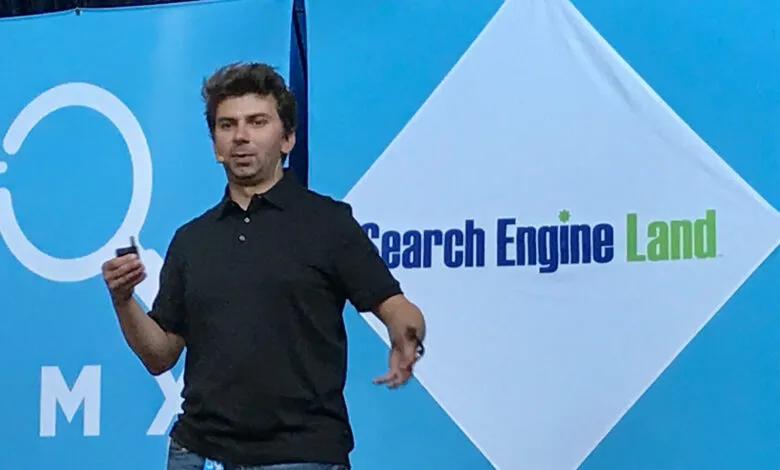
– Gary Illyes from Google emphasized that SEO and SEM must coevolve with search, as they have over the past 30 years.
– He stated that SEO is not dead but is evolving in response to changes in search technology and features.
– Illyes acknowledged that adapting to change is difficult, but those who accept and adopt it will benefit first.
– Professionals should spend time learning how searchers use new AI search tools to discover content and websites.
– The goal is to convert users from these new search features into meaningful conversions, despite the challenges.
Navigating the future of online visibility requires a unified approach where Search Engine Optimization (SEO) and Search Engine Marketing (SEM) must evolve in tandem with advancements in search technology. This perspective, recently emphasized by Google’s Gary Illyes, underscores that these disciplines are not static but must continuously adapt, just as they have throughout the past three decades. The synergy between SEO and SEM will be crucial as artificial intelligence reshapes how users find and interact with digital content.
Illyes responded to a Microsoft Bing article discussing AI’s impact on conversion measurement by stressing the necessity for both fields to coevolve. He affirmed that while change presents challenges, the integration of SEO and SEM with new search paradigms is inevitable. Professionals who have long worked in these areas understand that adaptation is not a new concept but a constant requirement for staying relevant and effective.
Contrary to recurring predictions, SEO is far from dead. Illyes explicitly stated, “SEO is not dead,” echoing a sentiment familiar to industry veterans. Each time Google introduces updates or new features, speculation about the demise of SEO surfaces, yet the practice persists by transforming alongside search engine developments. It doesn’t vanish; it refines its strategies to align with current algorithms and user behaviors.
Accepting change is difficult, a point Illyes readily acknowledged. He described this adjustment as “hard to accept,” which resonates with many marketers facing shifts in tools and metrics. However, those who embrace these evolutions often gain a competitive edge. Early adoption allows professionals to understand and leverage new functionalities before they become mainstream, turning potential disruption into opportunity.
For businesses and marketers, the key takeaway is to actively engage with emerging search features. Dedicate time to exploring how AI-driven tools might alter the pathways through which audiences discover your website and content. Analyze user interactions facilitated by these innovations and develop strategies to guide them toward your defined conversion goals, whether that involves sales, leads, or other valuable actions.
This journey won’t always feel straightforward or comfortable, as it departs from established routines. Nevertheless, aligning SEO and SEM with the trajectory of search technology appears essential for long-term success. Adapting proactively positions you to meet future demands and harness the full potential of an evolving digital landscape.
(Source: Search Engine Land)