Ubisoft’s AI NPCs Now Sarcastic, Helpful & Full of Lore in Playtesting
▼ Summary
– Ubisoft’s Teammates AI project focuses on combat companions with distinct personalities, developed using in-house middleware connecting external AI models to their game engines.
– The system allows voice commands for tactical combat and features AI companions with backstories and personality variations, powered by Google’s Gemini platform.
– Teammates represents a shift from Ubisoft’s earlier conversational Neo NPCs, designed to better fit existing game franchises like Tom Clancy’s series.
– The project emphasizes extensive creative preparation with character sheets and narrative work to ensure AI characters provoke emotional responses from players.
– Ubisoft is building a plug-and-play AI platform for developers while continuing rapid iteration based on user feedback, though implementation in shipped games will take time.
Ubisoft is advancing its artificial intelligence integration with a new project called Teammates, shifting focus from conversational NPCs to combat-ready AI companions. This initiative represents a significant evolution from their earlier Neo NPC demo, now emphasizing tactical squad-based gameplay that aligns more closely with the studio’s established franchises. Developed by an expanded internal team of 80 specialists, the project leverages proprietary middleware to connect external AI models like Google’s Gemini with Ubisoft’s Snowdrop and Anvil engines, streamlining the process for development teams to incorporate these tools into their games.
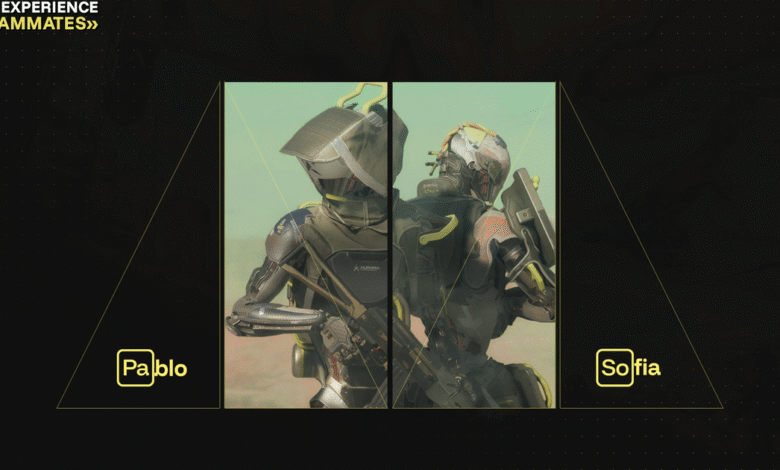
During a recent hands-on session, players could direct two AI-powered soldiers, Pablo and Sophia, each endowed with distinct personalities and rich backstories. A third AI companion, Jaspar, functioned like a game master, overseeing the experience and responding to player commands. The demo showcased the system’s responsiveness to voice instructions, allowing players to issue tactical orders such as directing allies to flank enemies or activate switches, with characters reacting according to their programmed traits, ranging from stoic to sarcastic.
The characters’ personalities and lore are not just cosmetic; they influence both dialogue and combat behavior. Through casual conversation, players can uncover details like Pablo’s history with a fallen squad or Sophia’s cheerful evasion of questions about cyborg life. This narrative depth stems from extensive creative preparation, including detailed character sheets that define each NPC’s background and demeanor. These elements are carefully integrated into the AI’s prompts, requiring significant input from writers and voice actors to ensure authenticity.
Jaspar added another layer to the demo, enabling players to request HUD modifications, item descriptions, or achievement unlocks, all managed dynamically by the AI rather than fixed game triggers. While some found Jaspar’s wisecracking demeanor irritating, the development team considered this a success, as it provoked a strong emotional response. Narrative Director Virginie Mosser emphasized that provoking feelings, whether positive or negative, is a primary goal, underscoring the creative effort required to make AI characters compelling.
Ubisoft’s strategy involves creating a flexible, plug-and-play AI platform so that game developers can focus on design without grappling with underlying technology. The Teammates demo serves as a practical example of how AI can enhance familiar genres, using settings and mechanics reminiscent of the company’s existing titles to help teams visualize new possibilities. Regular updates are planned, with features like real-time emotion systems in development, allowing characters to react to player treatment dynamically.
Internally, the reception has been cautiously optimistic. While many developers recognize the potential of AI-driven NPCs, implementation in upcoming titles will take time as studios assess how these tools fit their creative visions. The team is committed to an iterative process, refining the system based on ongoing playtests and adapting to advancements in AI technology. By maintaining a creator-led, opt-in approach, Ubisoft aims to balance innovation with artistic integrity, positioning its AI tools as enablers rather than replacements for human creativity.
(Source: Games Industry)