Google’s Most Innovative AI Uses: What’s Next?
▼ Summary
– The author is generally critical of modern AI’s widespread integration but praises Google for recently implementing it in genuinely useful ways.
– Google has been an AI company long before ChatGPT popularized LLMs, using earlier machine learning for features like those in Android.
– Google Home now uses Gemini AI to enable natural language search of Nest camera footage, making video review much faster and easier.
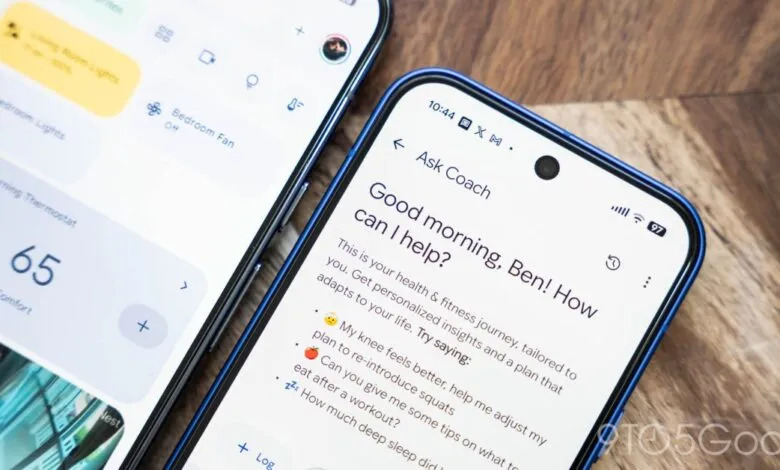
– Fitbit Coach leverages Gemini AI to analyze user fitness data and provide personalized, adaptable workout plans through natural conversation.
– These Google examples demonstrate AI can be thoughtfully integrated to solve specific problems rather than feeling forced or limitless.
Exploring the most innovative applications of artificial intelligence reveals how Google is moving beyond the initial hype to deliver genuinely useful tools. While AI integration has often felt forced across the digital landscape, Google’s recent developments demonstrate a shift toward practical, user-focused implementations. Google has finally reached a stage where AI delivers tangible benefits, transforming everyday tasks with intelligent features that feel natural rather than intrusive.
Long before ChatGPT popularized large language models, Google was already embedding machine learning into its products. Many beloved Android and Google features from years past relied on these early AI foundations. The rapid ascent of OpenAI’s chatbot, however, accelerated the industry’s AI race, pushing Google to refine and expand its own capabilities. This surge brought AI into countless applications, not always with clear user benefit. Even so, resistance to certain integrations, like AI in core search results, remains understandable. The technology is undeniably here to stay, but its value depends entirely on execution.
Two standout examples highlight Google’s current success with meaningful AI integration.
The first is the evolution of Google Home. With Gemini now integrated into the platform, new capabilities have emerged that were previously unimaginable. Nest camera footage can be automatically labeled, and users can search through recordings using plain language. Instead of scrolling endlessly through video history, you can simply ask the Home app a question like, “Show me clips with delivery drivers.” While the system isn’t flawless, the introduction of Gemini represents a significant step forward for smart home management.
Another compelling case is the AI-powered Fitbit Coach. By leveraging Gemini, the revamped Fitbit app analyzes personal fitness data and serves as an interactive wellness advisor. This feature allows you to discuss goals and receive tailored advice through natural conversation. For anyone struggling to establish a consistent workout routine, the Coach simplifies the process with adaptable plans and visual previews of exercises. Its flexibility stands out, if you’re sore or have alternate active plans, the “Adjust plan” option lets you explain your situation, and the AI promptly modifies your schedule. This builds on Fitbit’s core strength of keeping health tracking straightforward and accessible.
These applications prove that AI can enhance products without feeling tacked on. Success lies in creative thinking and focusing on user needs rather than technological novelty.
In other tech news, the dispute between YouTube TV and Disney continues with no resolution in sight. Both companies appear firmly entrenched, leaving subscribers in limbo.
Google also surprised Pixel users with a substantial November Feature Drop. This update introduced “Theme Packs” and several other enhancements, all covered in our detailed breakdown.
The OnePlus 15 has made its debut, boasting a powerful chipset, vibrant camera performance, and an exceptionally large battery. Despite these strengths, the overall experience falls short of expectations. A redesigned exterior, less impressive camera results, and an interface heavily inspired by iOS detract from the device’s potential. Additionally, regulatory delays have postponed its U.S. release.
Other notable stories include the quick sell-out of a new iPhone accessory, an extensive preview video for Metroid Prime 4 Beyond from Nintendo, and reports that solar and wind power are set to meet all new energy demand in 2025.
(Source: 9to5 Google)