Fitbit’s New App and AI Coach Launch Today
▼ Summary
– Fitbit’s new Gemini-powered health coach is launching in preview for US Android Premium subscribers, with iOS availability planned for later this year.
– The health coach represents a complete app redesign rather than an add-on feature, allowing users to switch between new and regular app versions.
– Users begin with a 5-10 minute AI conversation to set goals, after which the coach creates personalized weekly workout plans using Fitbit data and available equipment.
– The AI coach accepts natural language adjustments for injuries or schedule changes, though concerns exist about potential hallucinations with medical questions.
– Google plans full launch next year after implementing safety frameworks with clinical experts and maintaining healthcare professional referrals when needed.
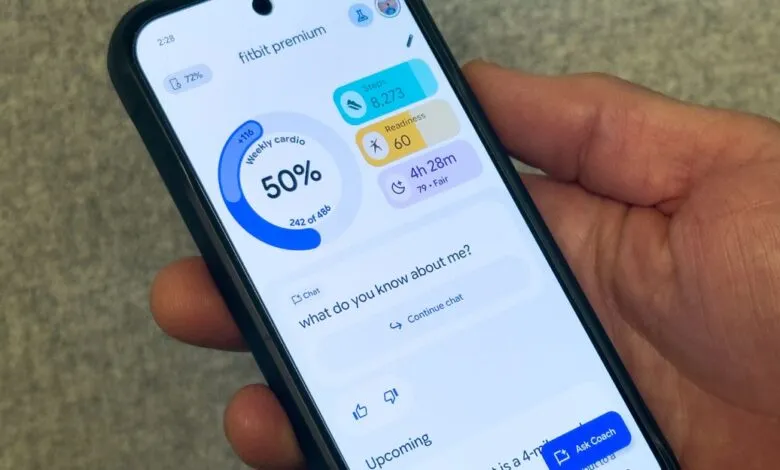
Fitbit’s latest innovation, a Gemini-powered health coach, is now available in a preview release. This launch represents the cornerstone of a completely redesigned Fitbit application, which was initially detailed last August. For now, the preview is accessible to Premium subscribers in the United States who use Android devices. Fitbit product manager Taylor Helgren confirmed that an iOS version is scheduled to arrive later this year.
Instead of simply adding artificial intelligence capabilities to the old app, the company has rebuilt the experience around this new AI coach. Users must choose to participate in this optional preview, and they can freely switch between the new interface and the standard app at any time. The coach is not yet fully featured; functions such as nutrition logging and cycle tracking are planned for future updates.
Getting started involves a brief, five to ten minute conversation with the AI coach, which can be conducted by typing or speaking. This initial chat helps the system understand your personal objectives, allowing it to provide customized suggestions. The coach analyzes both your manual input and historical and current Fitbit data to construct a weekly exercise plan. It draws from a collection of workouts available in the app, considering the equipment you own and your preferred training style, whether you’re preparing for a 5K run or developing a strength regimen.
After setup, you can interact with the coach using everyday language to modify plans or ask health-related questions. All these exchanges are saved in a dedicated section labeled “coach’s notes.” If you experience an injury or have a particularly hectic week, informing the coach allows it to adjust your schedule accordingly. This represents a notably deep integration of AI guidance, moving beyond the generic, superficial advice that often plagues such features, as noted by some industry observers.
However, such a comprehensive AI-driven system carries certain risks. The potential for the AI to generate incorrect information, or “hallucinate,” is a serious concern, especially since the coach is intended to handle some medical inquiries alongside fitness topics. Helgren mentioned that the development team collaborated with clinical and fitness professionals, both internal and external, and established an advisory panel to create safety protocols. A crucial aspect of the design is that the coach will direct users to seek help from healthcare providers when a situation requires professional attention.
This update marks a bold step forward for Fitbit, though the preview is only the beginning of what may be an extended development cycle. Google has stated that the health coach will be fully launched at some point next year, without providing a more precise timeline.
(Source: The Verge)