Oman Tech Summit: AI’s Impact on Education & Research
▼ Summary
– The Oman Research and Education Network Technology Summit (OTS25) opened on October 20, 2025, focusing on AI’s role in education, research, and digital transformation under the patronage of Dr. Rahma Al Mahrouqiyah.
– The summit featured Dr. Abdullah Al Ghamdi as guest of honour and brought together officials, academic leaders, and experts to foster dialogue and collaboration aligned with Oman’s National AI Programme.
– Government representatives emphasized integrating AI into curriculum design, learning assessment, and research, while highlighting the importance of partnerships and human-centred governance.
– UNESCO expert Prof. Marc-Antoine Dilhac discussed AI’s potential to enhance creativity in education but warned of ethical risks like skill degradation, stressing the need for transparency and ethical frameworks.
– The event included panels, workshops, and exhibitions showcasing AI innovations, and concluded with partnerships and awards to support Oman’s knowledge-based economy and digital society.
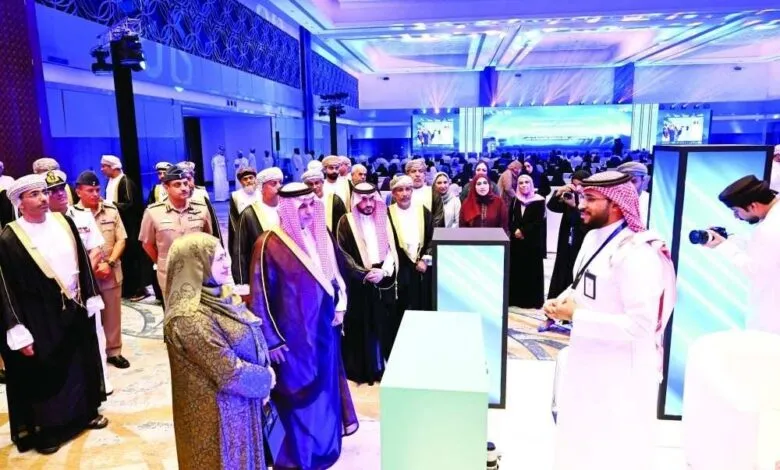
The recent Oman Technology Summit placed a powerful spotlight on how artificial intelligence is reshaping education and research, charting a course for the nation’s digital transformation. Held at the Oman Convention and Exhibition Centre, the two-day Oman Research and Education Network Technology Summit (OTS25) commenced under the patronage of Dr. Rahma bint Ibrahim Al Mahrouqiyah, Minister of Higher Education, Research and Innovation. Distinguished attendees included Dr. Abdullah bin Sharaf Al Ghamdi, President of the Saudi Data and Artificial Intelligence Authority (SDAIA), alongside numerous senior officials, academic leaders, and international specialists.
Centered on the theme of artificial intelligence, the summit provided a dynamic forum for dialogue, collaboration, and the exchange of knowledge. This initiative directly supports the objectives of Oman’s National AI and Advanced Technologies Programme. The event’s agenda was packed with panel discussions, interactive workshops, and exhibitions that demonstrated practical AI applications designed to improve learning outcomes, accelerate research, and stimulate innovation.
A major focus was the digital transformation of the education sector. Dr. Najah bint Mohammed Al Rashdiyah, Director-General of the Innovation Centre at the Ministry of Higher Education, Research and Innovation, detailed the government’s dedication to weaving AI into curriculum development, student assessment, and applied research projects. She emphasized that activating national progress across various fields depends heavily on collaboration and sustainable partnerships.
Dr. Al Ghamdi, the guest of honour, outlined Saudi Arabia’s prominent position in global AI development. He highlighted achievements in areas like women’s empowerment, workforce preparation, and ethical innovation, while also advocating for the establishment of responsible AI governance frameworks. Representing Oman’s own advancements, Dr. Ali bin Amer Al Shaithani, Under-Secretary for Communications and Information Technology, presented the country’s strides in AI adoption. He pointed to a strategic focus on human-centric governance, cultivating local talent, and achieving comprehensive digital integration across all economic sectors.
The summit also featured important global and ethical perspectives. Professor Marc-Antoine Dilhac, a UNESCO AI Ethics Expert from the University of Montreal, delivered a keynote address titled “Learning and Teaching in the Age of Generative AI.” He explored AI’s capacity to boost creativity and enable personalized learning experiences, but also cautioned about potential ethical pitfalls, including the degradation of core skills and a loss of original thought. His presentation underscored the critical need for transparency, literacy in prompt engineering, and strict adherence to established ethical guidelines such as the Riyadh Charter.
Innovation and collaboration were tangible throughout the event. Panel sessions investigated the role of AI as an enabler in education, data-informed decision-making, and the skills needed for the future. Workshops provided hands-on learning about AI ethics and data analytics. The “Future Path Exhibition” featured AI-driven innovations from twelve academic institutions, while the SDAIA pavilion displayed cutting-edge technologies like drones, 3D printing, and virtual reality simulators.
The summit is set to conclude with the “Gamathon Hackathon” awards ceremony, honoring the most promising AI solutions that can bolster Oman’s knowledge-based economy. Furthermore, several new research and capacity-building partnerships were launched during the event, aimed at facilitating technology transfer and accelerating the nation’s digital transformation journey. As OTS25 wraps up, it powerfully reaffirms Oman’s strategic commitment to leveraging artificial intelligence as a foundational element for its educational, research, and economic future, paving the way for a resilient, inclusive, and innovation-driven digital society.
(Source: MEA Tech Watch)