GZDoom Community Splits Over AI-Generated Code Controversy
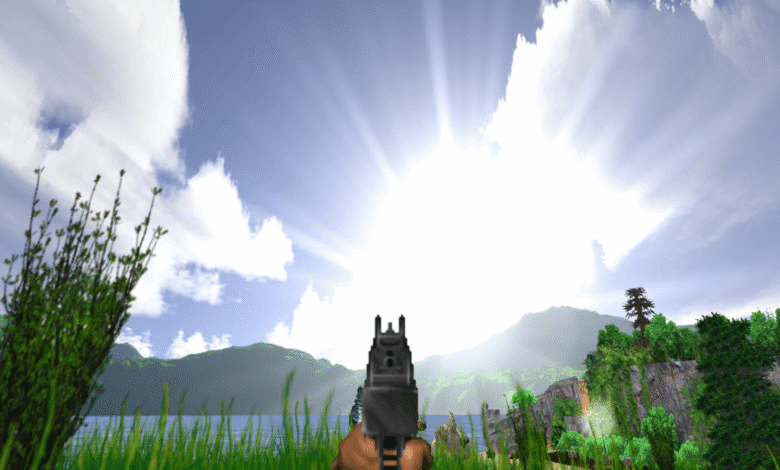
▼ Summary
– GZDoom is a long-running open-source port of Doom that enhances the original game with modern graphics and extensive modding capabilities.
– The GZDoom community is now splitting due to disagreements with project leader Christoph Oelckers (Graf Zahl) over collaboration and leadership style.
– Developers have created a new fork called UZDoom to continue development with a more transparent and collaborative approach.
– The split was largely triggered by Oelckers admitting to inserting untested AI-generated code into the GZDoom codebase.
– Oelckers’ use of AI coding tools was highlighted by a commented code snippet referencing ChatGPT for detecting dark mode on Linux.
The GZDoom community is currently experiencing a significant division, with many developers rallying behind a new project called UZDoom. This split stems from disagreements over the project’s direction and recent revelations about the use of artificial intelligence in its development. GZDoom, an open-source port of the classic Doom game, has long been celebrated for modernizing the original 1997 release with enhanced graphics, user-friendly features, and extensive modding capabilities. Its origins date back to ZDoom in 1998, making it a cornerstone of the Doom modding scene.
A public statement from developer Nash Muhandes on the DoomWorld forums clarified the reasoning behind the fork. Muhandes explained that longstanding issues with collaboration and project management, some persisting for nearly twenty years, prompted the move. The goal of UZDoom is to preserve the GZDoom legacy while adopting a more transparent and cooperative development approach. This ensures that multiple contributors can work together openly, addressing what many see as a critical flaw in the original project’s structure.
The immediate catalyst for the split appears to be GZDoom’s lead developer, Christoph Oelckers, who operates under the name Graf Zahl. Oelckers recently acknowledged integrating untested AI-generated code into the official GZDoom codebase. While AI-assisted programming can often go unnoticed, this case was highlighted by a comment left by Oelckers himself within the code. The note read, “This is what ChatGPT told me for detecting dark mode on Linux,” drawing immediate attention and raising concerns about code reliability and review practices.
Tensions surrounding Oelckers’ leadership are not new. Past discussions on platforms like Reddit document various conflicts over the years regarding his management style and decision-making. However, the introduction of AI-generated code without proper vetting has intensified these existing frustrations. Critics argue that incorporating unverified automated solutions compromises software integrity and undermines community trust.
The emergence of UZDoom represents a broader push for accountability and shared governance in open-source projects. Developers involved hope that by forking the code, they can maintain the technological advancements of GZDoom while fostering an environment where contributions are thoroughly reviewed and collaborative input is valued. This schism highlights ongoing debates within software development about the appropriate use of AI tools and the importance of maintainer transparency in preserving community-driven projects.
(Source: Ars Technica)