Try Claude AI in Microsoft Copilot Now
▼ Summary
– Microsoft has added Anthropic’s Claude Sonnet 4 and Opus 4.1 models to its Copilot AI assistant, providing customers with more flexibility.
– Microsoft 365 Copilot subscribers can now choose Claude Opus 4.1 instead of OpenAI models for the Researcher agent by selecting a “Try Claude” button.
– The new Claude models are also available in Copilot Studio, a platform for designing custom AI agents that can mix and match different models.
– This integration is part of Microsoft’s strategy to diversify its AI offerings and reduce its previous dependence on OpenAI.
– The partnership with Anthropic and the development of in-house models signal a shifting dynamic in Microsoft’s AI alliances.
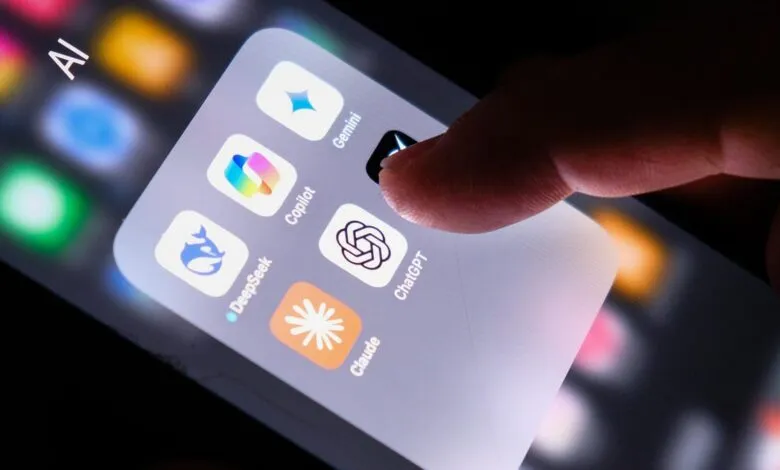
Microsoft is expanding the AI capabilities within its Copilot ecosystem by integrating powerful models from Anthropic, offering users greater choice and flexibility. This strategic move provides Microsoft 365 Copilot subscribers and developers with access to Claude Sonnet 4 and Claude Opus 4.1, directly alongside the existing OpenAI offerings. The integration represents a significant step in Microsoft’s broader strategy to diversify its AI partnerships and reduce its previous reliance on a single provider.
A key new feature allows Microsoft 365 Copilot subscribers to select Anthropic’s Claude Opus 4.1 model when using the Researcher agent. This AI tool is designed for handling intricate, multi-step tasks. Users will notice a “Try Claude” button positioned in the top-right corner of the Copilot interface while Researcher is active. Clicking this button switches the underlying intelligence from the default OpenAI models to the Claude Opus 4.1 model, enabling a direct comparison of performance and output style for complex research queries.
For developers and businesses building custom solutions, Claude Sonnet 4 and Opus 4.1 are now accessible within Copilot Studio. This platform enables the creation of tailored AI agents. A notable feature of Copilot Studio is its mix-and-match functionality, which allows developers to construct agents that leverage components from various models, including those from OpenAI, Anthropic, and other models hosted on Azure. While GPT-4o remains the default model for new custom agents, users can easily switch by clicking the ellipses next to “Agent’s model” in the Details section and selecting their preferred option from a drop-down menu. It is important to note that the Claude models are labeled as “external” because they operate on Anthropic’s servers and are governed by Anthropic’s own terms of service.
This expansion signals a notable shift in the dynamics of the AI industry. Microsoft’s deepening collaboration with Anthropic, including the recent embedding of its AI into Microsoft 365 apps, highlights a conscious effort to broaden its AI portfolio. This development occurs alongside reports of OpenAI exploring partnerships with other tech giants, including Google. Microsoft’s parallel investment in developing its own in-house AI models, such as MAI-1-preview, further underscores this strategic pivot towards a more diversified and self-reliant AI infrastructure, moving beyond its historically close ties with OpenAI.
(Source: ZDNET)