Qualcomm’s Snapdragon X Elite & X Plus Challenge Intel and AMD
▼ Summary
– Qualcomm has announced second-generation Snapdragon X2 Elite and X2 Elite Extreme processors for Windows on Arm laptops, building on last year’s breakthrough.
– The company claims these 3nm chips offer up to 31% faster CPU performance or 43% less power compared to the previous Snapdragon X Elite.
– These processors feature a new 80 TOPS Hexagon NPU for AI tasks and an upgraded GPU promising 2.3x faster graphics performance.
– Qualcomm asserts the Elite Extreme version provides “up to 75% faster CPU performance” than competing chips like Intel Core Ultra 9 and AMD Ryzen AI 9.
– Unlike last year’s quick launch, these new processors are expected to be available in consumer laptops during the first half of 2026.
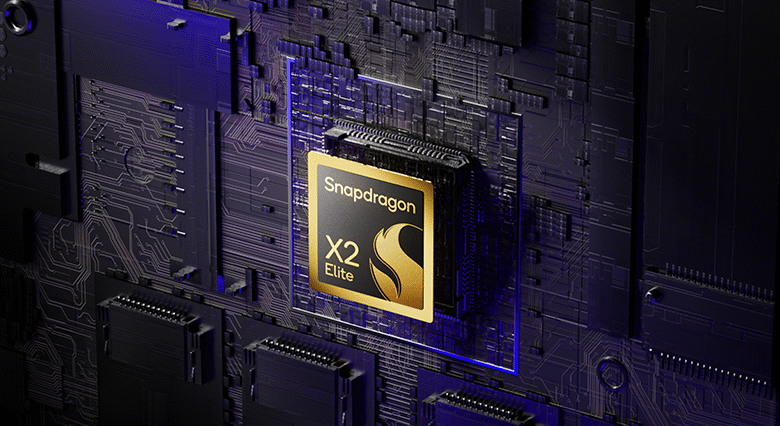
Qualcomm is once again shaking up the personal computing landscape with the official announcement of its second-generation Snapdragon X series processors, the X Elite and X Plus. This new lineup directly challenges the dominance of Intel and AMD in the Windows laptop space, building on the foundation established last year that saw Qualcomm-powered devices become a viable alternative. The company is making bold claims about performance and efficiency, suggesting these new chips represent a significant leap forward.
The headline of Qualcomm’s press release leaves no room for ambiguity, declaring these “the fastest and most efficient processors for Windows PCs.” Such a statement is sure to draw a competitive response from the established x86 giants. The new chips are fabricated on a 3nm process, which Qualcomm says enables a substantial performance uplift. The company claims up to 31 percent faster CPU performance compared to the previous Snapdragon X Elite at the same power level, or the ability to deliver the same performance while using 43 percent less power.
A key component of this new generation is the 3rd-gen Oryon CPU, which will also power Qualcomm’s upcoming flagship mobile chip. In the laptop configuration, it can be configured with up to 18 cores. Twelve of these cores can reach speeds up to 4.4GHz, while up to two “prime” cores can achieve a notable 5GHz clock speed, a first for an Arm-based CPU designed for Windows laptops. Graphics performance also receives a major boost, with Qualcomm touting up to 2.3 times the GPU performance from a new 1.85GHz Adreno GPU.
Artificial intelligence capabilities are a central focus, driven by a new Hexagon NPU rated at 80 TOPS (trillions of operations per second). Qualcomm states this neural processing unit offers 37 percent more performance with a 16 percent improvement in power efficiency, positioning it as the fastest NPU available for laptops. The company characterizes the overall advancement as a “legendary leap in performance,” with the top-tier Elite Extreme model purportedly offering up to 75 percent faster CPU performance than competing chips at the same power. While not explicitly named in the initial release, comparisons appear to be drawn against high-end parts like the Intel Core Ultra 9 285H and the AMD Ryzen AI 9 HX 370.
Battery life remains a key selling point. Qualcomm promises that the efficiency gains will translate to “multi-day battery life” for devices using these new processors. This echoes promises made for the first-generation chips, which reliably delivered between 14 and 18 hours of use in real-world testing. To address previous weaknesses, Qualcomm is introducing a dedicated 18MB high-speed cache called “Adreno High Performance Memory” specifically designed to enhance the gaming experience on Arm-based Windows systems.
Unlike the rapid commercialization of the first generation, availability for laptops featuring the new Snapdragon X Elite and X Plus will take longer. Qualcomm indicates that devices are “expected to be available in the first half of 2026.” The announcement did not clarify if these processors are part of the hinted-at collaboration with Google on bringing Android to PCs, a detail that may emerge from the ongoing Snapdragon Summit event.
(Source: The Verge)