Boost Brand Awareness When Organic Traffic Stalls

▼ Summary
– Nearly 60% of Google searches ended without a click last year due to features like AI Overviews, creating a “zero-click” environment where users get answers directly on the search results page.
– This zero-click trend creates an “awareness gap” where content is seen but not tied to the brand, as users absorb information without clicking through to the website, making traditional metrics like traffic less reliable.
– SEO’s ability to drive top-of-funnel awareness is diminishing, as even high-ranking content may not be seen, and competition intensifies with paid ads often appearing above organic results.
– The article recommends using paid advertising as a strategic layer to guarantee visibility, suggesting running ads against common zero-click queries to build brand recognition even without clicks.
– Marketers should shift their measurement focus from traffic-based metrics to indicators of presence, such as branded search volume and visibility share, to accurately assess brand awareness in a zero-click world.
Navigating the modern search landscape requires a fresh approach to brand visibility, especially when traditional organic pathways are shrinking. The prevalence of AI-generated summaries and rich features on search engine results pages means that earning a top ranking no longer guarantees your website will receive traffic. This shift creates a significant challenge for marketers aiming to build brand awareness, demanding new strategies to ensure their message cuts through the noise.
The phenomenon known as zero-click search is fundamentally altering how users find information. When someone types a query and receives a complete answer directly on the results page, be it from a featured snippet, knowledge panel, or AI overview, they have little reason to click through to a website. While convenient for the user, this trend drastically reduces opportunities for brands to make a meaningful connection. The result is an awareness gap, where your content might be seen but isn’t effectively attributed to your brand, leaving your influence unmeasured by conventional metrics like site traffic.
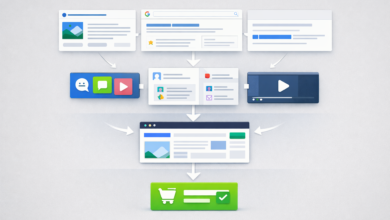
This evolution is most disruptive at the top of the marketing funnel, where initial discovery happens. The pathways that once led potential customers to your website are becoming less traveled. This reality has several critical implications. First, there are simply fewer chances for users to discover your brand’s full story, including its messaging and value propositions. Second, while SEO remains vital for long-term discoverability, its power to generate top-of-funnel awareness has diminished. Amazing content can rank highly yet remain unseen if it’s buried beneath an AI answer. Furthermore, competition intensifies as paid advertising secures prime real estate above these automated summaries. Users, seeking clearer answers, are also increasingly turning to social media platforms and online communities for their research, making these channels essential for educational content.
To reclaim a presence at this critical stage, a strategic shift is necessary. Implementing an awareness-focused advertising strategy provides a direct countermeasure to the awareness gap. Paid campaigns offer guaranteed visibility, placing your brand name and message directly in front of your target audience, even if they don’t immediately click. Think of this as an insurance policy against invisibility on the search results page. Early impressions are powerful; they build familiarity and strengthen brand recall later in the customer journey.
A practical first step is to leverage common informational queries that often result in zero-click searches. By running search and display ads targeted at “how to” or “what is” questions, you ensure your brand stays visible even when Google provides an instant answer. Additionally, you can amplify your existing organic success. If your brand has earned a featured snippet, support that achievement with a complementary paid ad on the same page. This creates a powerful halo effect, positioning your brand as both authoritative and prominent. It’s crucial to view paid advertising as an enhancer of SEO, not a replacement. The two work in tandem: SEO builds credibility, while ads guarantee visibility.
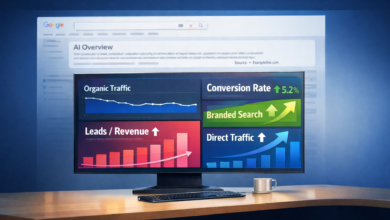
Measuring success in this new environment also requires a new lens. Instead of focusing solely on organic traffic, which can be misleading, track metrics that reflect true brand presence. Monitor branded search volume, as an increase signals growing awareness. Pay attention to your visibility share across all SERP features, including paid placements and AI overviews, regardless of clicks. The goal is to shift from measuring traffic to measuring influence and presence.
Finally, effectively communicating this strategic shift to company leadership is essential. Executives need to understand that a decline in organic traffic does not necessarily mean a decline in influence. The narrative must change from clicks to visibility. Explain that paid advertising fills the gap created by zero-click searches, ensuring your brand is seen during those critical first impressions that build the memory which ultimately drives future sales.
The rise of zero-click search isn’t an endpoint; it’s an evolution. Marketers who adapt by blending organic authority with strategic paid presence, redefining their key performance indicators, and championing the value of visibility will position their brands for success. Closing the awareness gap is an opportunity to build a more resilient and recognizable brand in a landscape where discovery is no longer dependent on a single click.
(Source: Search Engine Journal)