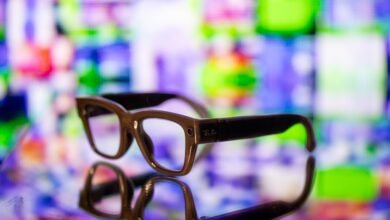
Meta Opens Its Smart Glasses to Developers for New Apps

▼ Summary
– Meta is releasing a Wearable Device Access Toolkit to let developers build apps that use the vision and audio capabilities of its smart glasses.
– The toolkit will provide access to on-device sensors, enabling hands-free features that leverage the wearer’s perspective and open-ear audio.
– Early testers include Twitch, which will allow livestreaming from the glasses, and Disney, which is prototyping park visitor tips.
– The toolkit is in an early stage, with developers able to join a waitlist for a preview later this year.
– General availability for publishing experiences using the toolkit is not expected until 2026, but developer interest is anticipated to be high.
Meta is opening up its smart glasses ecosystem to developers through a new Wearable Device Access Toolkit, enabling third-party apps to harness the device’s vision and audio features. This move signals a significant step toward expanding the functionality and integration of smart eyewear into everyday digital experiences.
The toolkit grants developers the ability to tap into the device’s on-board sensors, allowing them to create mobile applications that take full advantage of the hands-free, AI-powered capabilities of the glasses. By leveraging the wearer’s natural perspective along with high-quality open-ear audio and microphone input, apps can deliver more immersive and intuitive user interactions.
Early adopters are already exploring innovative applications. For instance, Twitch plans to enable content creators to livestream directly from their glasses, offering a new dimension to real-time broadcasting. Meanwhile, Disney’s Imagineering R&D team is prototyping ways for park visitors wearing Meta smart glasses to receive tips, guidance, and enhanced experiences during their visits.
It’s important to note that the toolkit is still in its early stages. Developers can currently join a waitlist to be notified when a preview becomes available later this year. During the initial phase, publishing experiences using the toolkit will be restricted to limited audiences. Broader availability for publishing apps is not expected until 2026.
Given the strong market reception of the Ray-Ban Meta glasses and the growing interest in display-enabled smart eyewear, developer enthusiasm for this new toolkit is anticipated to be high. This initiative could pave the way for a new wave of augmented reality and contextual computing applications.
(Source: The Verge)