Nothing raises $200M for its first AI-native devices
▼ Summary
– London-based startup Nothing has raised $200 million to develop a new generation of AI-native devices with a distinct operating system.
– The funding values Nothing at $1.3 billion and will help the company expand distribution and accelerate innovation.
– Nothing’s AI OS aims to deliver a hyper-personalized experience across devices like smartphones, headphones, and future technologies.
– The company plans to release its first AI-native devices next year but faces challenges in generating mass-market demand amid strong competition.
– Nothing claims it is uniquely positioned due to its user knowledge and distribution, essential for creating an effective, ever-present AI OS.
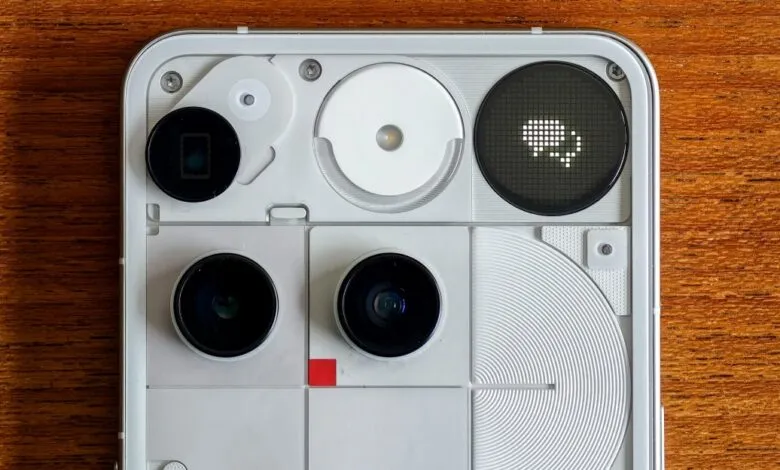
London’s consumer tech innovator Nothing has secured a substantial $200 million investment, positioning itself to launch a new wave of AI-native devices powered by an operating system that promises to break from current standards. The funding round values the company at an impressive $1.3 billion, signaling strong investor confidence in its vision for the future of personal technology.
In a statement that blends technological ambition with philosophical intent, Nothing founder and CEO Carl Pei emphasized that the capital will drive expanded distribution and faster innovation. Central to the company’s strategy is the development of a dedicated “AI OS,” designed to offer what Pei describes as a “hyper-personalized experience.” While the underlying architecture remains undisclosed, it raises questions about whether this new platform will build upon the existing Android-based Nothing OS or represent a completely fresh approach.
The proposed AI-native ecosystem aims to support a broad range of hardware, from everyday items like smartphones, headphones, and smartwatches to emerging categories such as smart glasses, electric vehicles, and even humanoid robots. Pei has expressed confidence that the operating system will adapt to future technological developments, though this marks a notable shift from his previous stance. Just months ago, he downplayed AI’s role, referring to it as “just a tool” and resisting the “AI operating system” label.
Nothing intends to debut its first AI-native products next year, entering a competitive and challenging market. Generating mainstream interest in such devices has historically proven difficult, with even industry giants like Apple facing hurdles in this space. The field is crowded with ambitious rivals, including a secretive “screen-free” gadget being developed by former Apple design lead Jony Ive in collaboration with OpenAI.
Pei argues that Nothing holds a unique advantage in creating these next-generation devices. By controlling what he calls the “last-mile distribution point,” the company believes it can gather essential contextual and user insights. This, he claims, is critical for building an operating system that is both ever-present and deeply attuned to individual needs. “An AI OS that doesn’t know its user,” Pei stated, “can’t deliver a hyper-personalized experience.” This initiative represents a new chapter for Nothing, one focused on seamlessly integrating artificial intelligence into hardware to redefine how technology enhances human capability.
(Source: The Verge)