Elon Musk’s xAI Sues Apple and OpenAI Over App Store Rankings

▼ Summary
– Elon Musk’s xAI has sued Apple and OpenAI, accusing them of monopolistic behavior and claiming Apple deprioritized rivals like Grok in the App Store.
– The lawsuit alleges that Apple and OpenAI are collaborating to lock up markets and prevent competition from innovators like xAI.
– xAI claims Apple’s integration of ChatGPT into iOS forces users to use it for key tasks, limiting choice despite no exclusivity being announced.
– OpenAI’s spokesperson called the lawsuit consistent with Musk’s pattern of harassment, while Apple did not immediately comment.
– This is not Musk’s first lawsuit against OpenAI; he previously sued in 2024 over the company’s shift to a for-profit structure.
Elon Musk’s artificial intelligence venture, xAI, has initiated legal proceedings against both Apple and OpenAI, alleging anticompetitive practices that suppress rivals in the App Store. The lawsuit, filed on Monday, asserts that the two tech giants have engaged in conduct that unfairly prioritizes OpenAI’s ChatGPT while limiting the visibility and accessibility of competing AI chatbots, including xAI’s own offering, Grok.
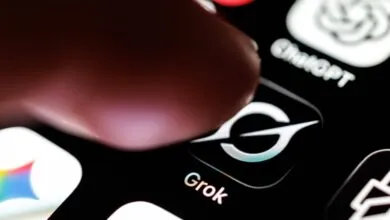
According to the complaint, Apple and OpenAI are acting as “monopolists joining forces” to dominate the rapidly evolving artificial intelligence sector. The legal filing argues that their collaboration effectively locks out competitors, preventing innovative products from reaching consumers on a level playing field. Despite Grok currently holding the third position among free productivity apps in the App Store, trailing only ChatGPT and Gmail, xAI insists that Apple’s integration of ChatGPT into iOS creates an uneven advantage.
A central point of contention is Apple’s decision last year to embed ChatGPT directly into its operating system. The lawsuit claims this move channels iPhone users toward OpenAI’s chatbot even when they might prefer alternatives like Grok, which is also integrated into Musk’s social platform X. While Apple has not formally declared its partnership with OpenAI as exclusive, the suit suggests the arrangement functions as a de facto monopoly, stifling competition and consumer freedom.
OpenAI spokesperson Kayla Wood responded by characterizing the lawsuit as “consistent with Mr. Musk’s ongoing pattern of harassment.” Apple has not yet issued a public statement regarding the allegations.
xAI contends that reduced competition leads to diminished innovation, fewer choices, and potentially higher prices for consumers. The suit emphasizes that such market conditions ultimately harm the public by limiting the diversity and quality of available AI tools.
This legal challenge is not Musk’s first confrontation with OpenAI. Earlier this year, he filed a separate complaint accusing the organization of straying from its original nonprofit mission of developing AI for the benefit of humanity. OpenAI, which began as a nonprofit entity, later established a for-profit arm to facilitate fundraising. The company is now transitioning that subsidiary into a public benefit corporation, a shift that is instrumental in securing billions in investment from SoftBank.
The ongoing friction between Musk and his former organization reflects deeper tensions in the AI industry, where collaboration and competition often exist in a delicate balance. At a recent dinner event in San Francisco, OpenAI CEO Sam Altman was asked about the company’s relationship with Apple. While he avoided a direct answer, he referred to Apple as his “favorite tech company that is not OpenAI.” Altman also revealed that OpenAI is collaborating with former Apple design lead Jony Ive on an upcoming AI hardware product, which he described as a “new computing paradigm,” though specifics remain undisclosed.
(Source: Wired)