Inside Ukraine’s Starlink Repair Hub and Solar Storm Predictions
▼ Summary
– Starlink is essential for Ukraine’s military operations, enabling battlefield communications, drone targeting, and personal connections for soldiers.
– The future of Starlink in Ukraine is uncertain due to Donald Trump’s unpredictable foreign policy and potential access removal by Elon Musk.
– An unofficial community, including the expert “Dr. Starlink,” has maintained and customized over 15,000 terminals to support Ukraine’s war efforts.
– Volunteers in Ukraine are not currently worried about losing Starlink access, as they face more immediate threats like Russian bombardments and mobilization.
– NASA and IBM have developed an AI model called Surya to predict solar storms using decades of solar data, providing early warnings for dangerous solar flares.
Starlink has become an indispensable lifeline for Ukraine’s military operations and civilian communications amid the ongoing conflict with Russia. Frontline troops rely on it for real-time coordination with command centers, while drone operators use it to execute precision strikes. Beyond the battlefield, it allows soldiers to maintain vital personal connections with their families back home.
Despite its critical role, the future of Starlink in Ukraine faces uncertainty due to shifting political dynamics and speculation about Elon Musk’s willingness to continue providing access. These external pressures introduce an element of unpredictability into an already volatile situation.
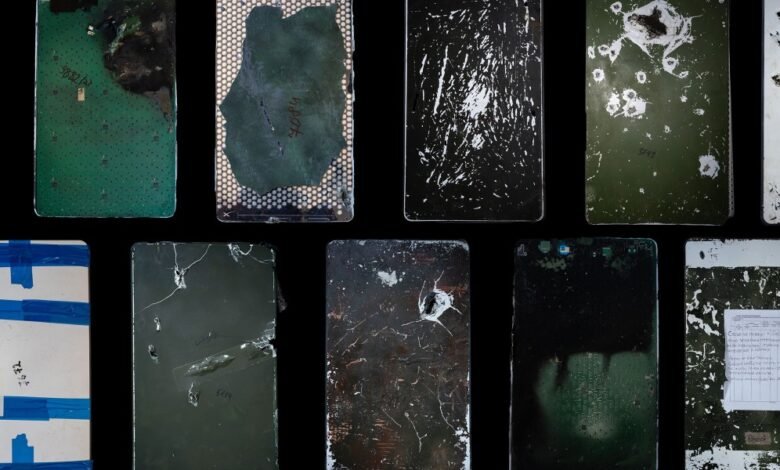
On the ground, however, a resilient network of users and technicians, including the widely known “Dr. Starlink”, has taken matters into their own hands. Through ingenuity and determination, this community has repaired and adapted more than 15,000 terminals since the invasion began, ensuring continued operation under extreme conditions.
During recent visits to repair hubs, volunteers expressed less concern over potential service interruptions than over more immediate threats. Relentless Russian aerial attacks, sometimes involving hundreds of drones in a single night, and the ever-present risk of conscription dominate daily life. For those living through the reality of war, hypothetical future disruptions understandably take a backseat to survival.
In a separate technological development, NASA and IBM have introduced a new open-source AI model designed to improve solar storm forecasting. Named Surya, the tool analyzes more than ten years of solar activity data to predict when dangerous solar flares might impact Earth. This advancement promises earlier warnings and better preparation for events that can disrupt satellites and power grids worldwide.
(Source: Technology review)


