AI Barbie Dolls: The Future of Playtime is Here
▼ Summary
– Mattel and OpenAI are collaborating to create AI-powered toys, such as a Barbie capable of holding genuine, adaptive conversations with children.
– This innovation could revolutionize play by offering emotional support, fostering creativity, and aiding in learning, but raises concerns about replacing real human relationships.
– Historically, interactive toys like Chatty Cathy and Furbies have attempted simulated interaction, but AI now enables more fluid, personalized, and memory-based dialogue.
– Critics worry that AI toys may stunt emotional development by providing frictionless interactions, potentially making real human connections seem challenging or less appealing.
– AI’s current limitations include an inability to truly understand emotions or context, risking inappropriate responses or giving children a false sense of being understood.
The arrival of AI Barbie dolls represents a significant shift in how children interact with their toys, blending cutting-edge technology with traditional play. These new companions promise to engage kids in meaningful conversations, remember their preferences, and adapt responses over time. While this innovation opens exciting possibilities for learning and emotional support, it also raises important questions about the nature of friendship, empathy, and development in the digital age.
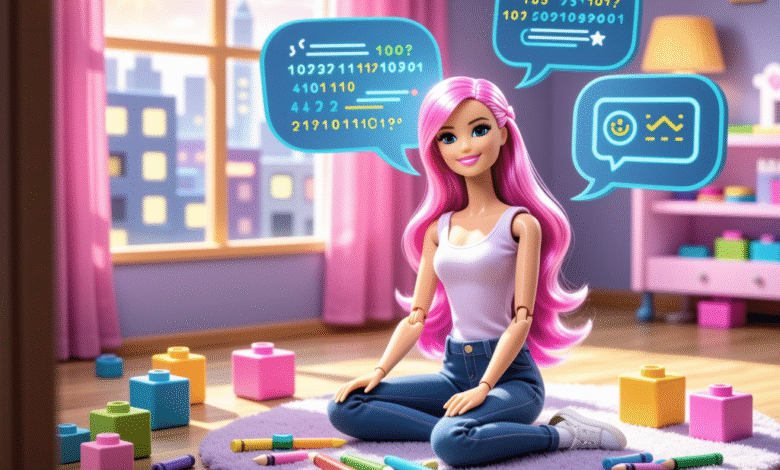
For generations, children have formed deep bonds with their toys, treating them as confidants and partners in imaginative adventures. Mattel’s partnership with OpenAI aims to transform that one-sided relationship into a dynamic exchange. Unlike earlier interactive toys that relied on pre-recorded phrases or simple scripts, an AI Barbie would use generative language models to hold fluid, personalized dialogues. She could discuss a child’s day, recall past conversations, and even tell stories tailored to the listener’s interests.
This leap in interactive play didn’t happen overnight. Toy makers have long experimented with giving dolls a voice. In the 1960s, Chatty Cathy delighted children with pull-string phrases. Decades later, Teddy Ruxpin used cassette tapes to animate storytelling, while Furbies gave the illusion of learning language. More recently, My Friend Cayla connected to the internet to answer questions, though privacy concerns led to its downfall. Today’s AI-driven toys represent the next evolution, offering not just answers, but seemingly understanding companions.
Supporters of this technology highlight its potential benefits. An AI Barbie could help children practice language skills, encourage creativity, and provide comfort during lonely moments. For kids who struggle with social interactions, such a toy might offer a safe space to express themselves. In an ideal scenario, it becomes a tool that blends education and emotional support seamlessly into play.
However, these advancements come with considerable risks. When a toy responds with flawless empathy and endless patience, it may set unrealistic expectations for human relationships. Real friendships involve misunderstandings, disagreements, and emotional complexity, all essential for developing resilience and empathy. If children grow accustomed to AI companions that always agree, never get tired, and perfectly mirror their emotions, they might find real human connections disappointing or difficult.
Another concern lies in the limitations of artificial emotional intelligence. While AI can mimic comforting language, it doesn’t genuinely understand feelings. It analyzes patterns and predicts responses without true empathy. A child crying might receive a soothing reply, but the system won’t comprehend sadness, it simply generates what seems appropriate. This illusion of understanding could mislead young minds during critical developmental stages.
Moreover, the same technology that powers these toys has shown it can sometimes mislead or disturb adults. Large language models occasionally produce harmful content or reinforce biases. While companies like OpenAI are investing in safety research, the impact of long-term exposure on children remains unknown. Handing a child an always-listening, always-responding AI friend means entrusting a powerful and not yet fully understood technology with their emotional world.
As these dolls prepare to enter homes, parents face a complex decision. The promise of interactive, educational play is compelling, but it must be weighed against the need for authentic human connection and emotional growth. Balancing innovation with caution will be essential to ensure that the future of play remains both magical and meaningful.
(Source: NewsAPI AI & Machine Learning)