Sam Altman’s Vision for the Future of Photos: Right or Wrong?
▼ Summary
– The author is frustrated by agreeing with Sam Altman’s view that AI-generated content blurs the line between real and fake, despite finding his argument flawed.
– Altman compares AI content to smartphone photos, arguing both manipulate reality but are still accepted as “real” by society.
– The author disagrees, stating phone cameras don’t fabricate elements like AI does, and most people aren’t aware of the extent of photo processing.
– Altman suggests society’s threshold for accepting manipulated content as “real” will shift, similar to how Photoshop changed perceptions of authenticity.
– The author believes people will still care about authenticity, citing the AI-generated bunny video as less enjoyable once its artificial nature is known.
Sam Altman’s recent comments about the blurred line between reality and AI-generated content have sparked debate, and frustration. His argument that smartphone photos already distort reality isn’t entirely wrong, but it oversimplifies a much more nuanced issue.
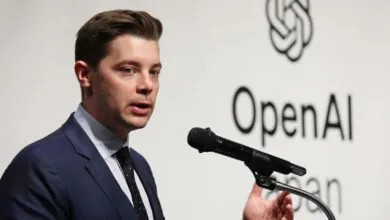
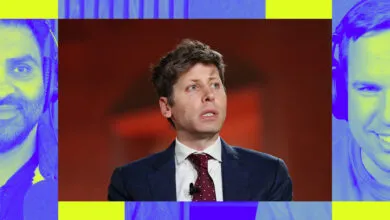
During an interview, Altman was asked how people will distinguish real from fake as AI-generated media becomes indistinguishable from reality. He pointed to smartphone cameras as an example, arguing that even photos taken on an iPhone aren’t entirely “real” due to extensive computational processing. He’s not wrong, modern cameras apply algorithms to adjust contrast, sharpen details, and enhance colors. But comparing this to entirely fabricated AI content feels like a stretch.
There’s a fundamental difference between a photo that starts with light hitting a sensor and one conjured from nothing by AI. Smartphone processing tweaks reality; generative AI replaces it entirely. While Altman suggests we’ll adapt to accepting AI fakery as “real enough,” the emotional impact isn’t the same. A viral video of bunnies bouncing on a trampoline loses its charm the moment you realize it’s synthetic. The joy hinges on believing it actually happened.
Altman’s broader point, that our standards for authenticity will shift, holds some truth. Photoshop normalized photo manipulation decades ago, and AI is doing the same for video and imagery today. But just because we tolerate some artifice doesn’t mean we’ll stop caring about reality altogether. People still value authenticity, even if the definition evolves.
The danger isn’t just in losing trust in media, it’s in losing interest altogether. If social media floods with AI-generated fluff, the emotional payoff diminishes. Why engage with content that’s engineered rather than genuine? The risk isn’t that we’ll accept fake bunnies as real, it’s that we’ll stop caring about bunnies at all.
Altman’s vision of a post-reality world might be inevitable, but that doesn’t make it desirable. Adapting to AI fakery doesn’t mean embracing it. Somewhere between skepticism and surrender, there’s still room to demand transparency, and to prefer the messy, unoptimized truth.
(Source: The Verge)