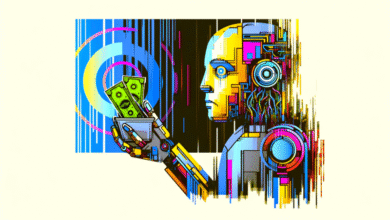
Democrats Push AI as Key to Winning Future Elections

▼ Summary
– The 2024 election cycle marked the first use of AI in political campaigns, with minimal oversight or guidelines in place.
– The National Democratic Training Committee (NDTC) introduced a playbook to help Democratic campaigns use AI responsibly for tasks like content creation and voter outreach.
– The NDTC’s AI training targets smaller campaigns, aiming to boost efficiency by teaching AI tools for social media, emails, and research while emphasizing human review.
– The training warns against unethical AI uses like deepfakes, impersonation, or replacing human creatives, stressing transparency in AI-generated content.
– Experts highlight the importance of disclosing AI use to maintain voter trust, especially for AI-generated voices, personal content, or policy development.
Democrats are embracing artificial intelligence as a game-changing tool for political campaigns, aiming to level the playing field for under-resourced candidates while emphasizing ethical guidelines. The National Democratic Training Committee (NDTC) has launched a first-of-its-kind program teaching Democratic campaigns how to harness AI responsibly, from drafting voter outreach messages to analyzing district demographics, without crossing ethical boundaries.
The initiative targets smaller campaigns with limited staff, offering strategies to amplify productivity. By integrating AI for tasks like social media content creation, speechwriting, and research, campaigns can operate with the efficiency of larger teams, according to Donald Riddle, NDTC’s senior instructional designer. “AI adoption isn’t optional anymore, it’s a necessity for staying competitive while advancing progressive goals,” he explains.
The training outlines clear dos and don’ts. While AI can streamline drafting emails, scripts, and policy briefs, the NDTC warns against deceptive practices like deepfakes, voice cloning, or fabricating events. Misusing AI risks eroding public trust and damaging democratic discourse, the guidelines stress. Campaigns are also urged to avoid replacing human creatives with AI-generated art to preserve authenticity and support professionals in the field.
Transparency remains a cornerstone of the program. Candidates are advised to disclose AI involvement when content includes synthetic voices, highly personalized messaging, or policy analysis shaped by algorithms. UC Berkeley professor Hany Farid, an AI ethics expert, underscores this point: “Disclosure isn’t just about flagging artificial content, it’s about reinforcing trust in what’s genuine.”
For video production, the NDTC recommends tools like Descript and Opus Clip to refine scripts and trim awkward pauses, ensuring polished social media clips. The goal is to enhance communication without sacrificing credibility, a balance Democrats hope will define their tech-savvy campaign strategies moving forward.
(Source: Wired)