Google Reveals New AI Query Fan-Out Technique Details
▼ Summary
– Google’s AI Mode uses query fan-out to generate multiple related searches from a single query, including topics not explicitly mentioned by the user.
– The system combines results from these background queries into a single response, leveraging Google Search as a backend tool in AI Mode, Deep Search, and AI Overview.
– AI-powered search experiences, including query fan-out, serve 1.5 billion users monthly, using real-time data sources like Google’s Shopping Graph.
– Deep Search can issue hundreds of background queries for complex topics, taking minutes to compile detailed responses with links and summaries.
– AI Mode integrates internal Google tools (e.g., Google Finance) to process real-time data for queries like stock comparisons, shopping, and recommendations.
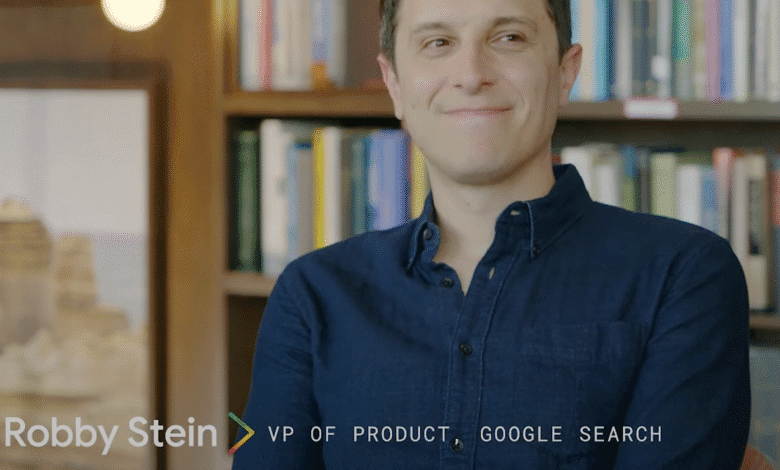
Google has unveiled new insights into how its AI-powered search mode processes complex queries by automatically expanding them into multiple related searches behind the scenes. During a recent discussion, Robby Stein, Google’s VP of Product for Search, provided fresh details about this “query fan-out” technique, offering concrete examples of how it enhances search results.
When users enter questions into Google’s AI Mode, the system doesn’t just process the exact wording. Instead, it analyzes the intent and generates additional related searches to gather comprehensive information. For instance, a query about “group activities in Nashville” might trigger background searches for family-friendly attractions, popular restaurants, or nightlife spots, even if the user didn’t specify these categories.
Stein explained that the system treats Google Search as its backend, running these expanded queries simultaneously before synthesizing the findings into a cohesive response with relevant links. This functionality currently operates across AI Mode, Deep Search, and certain AI Overview experiences, serving an estimated 1.5 billion users monthly.
The technology taps into diverse data streams, including conventional web results and dynamic sources like Google’s Shopping Graph, which refreshes product listings 2 billion times per hour. Stein emphasized that this infrastructure makes Google Search “the largest AI product in the world,” capable of handling both text and multimodal inputs.
For particularly complex inquiries, Google may activate Deep Search, a more intensive version that can spawn hundreds of background queries over several minutes. Stein shared a personal example where researching home safes triggered an in-depth analysis of fire resistance standards and insurance requirements, ultimately delivering a detailed guide with product recommendations and review links.
The system also leverages Google’s proprietary tools and databases for real-time information. Queries about stock comparisons, flight schedules, or restaurant availability can pull live data from services like Google Finance, with the AI structuring responses that include charts, pricing, or availability updates. Stein noted the shopping catalog alone contains 50 billion products with constant updates, all accessible to the AI models.
Technical parallels exist between this approach and a recent Google patent describing “thematic search” systems. The patent outlines methods where AI identifies underlying themes in queries, generates sub-questions, and compiles summaries from multiple sources, mirroring Stein’s explanation of how AI Mode operates by contextualizing information rather than just matching keywords.
As search evolves with these AI-driven expansions, the traditional concept of a “query” is becoming more fluid. This shift presents new considerations for content creators and marketers, who may need to focus less on individual keyword rankings and more on ensuring their information remains authoritative across broader topic clusters that AI systems reference.
(Source: Search Engine Journal)