Neuralink Completes Two Brain Implants in One Day; DeepMind CEO Responds

▼ Summary
– Neuralink successfully completed brain chip implant surgeries on two patients over the weekend, marking its first time performing two procedures in one day.
– Both patients are recovering well and in good spirits, with Neuralink pledging ongoing support for their progress.
– Elon Musk claims Neuralink’s technology will benefit millions or billions by restoring abilities like mobility and memory recognition.
– The company’s first patient, Noland Arbaugh, demonstrated controlling devices via thoughts after receiving the implant in March 2024.
– Neuralink’s clinical trials face ethical concerns, while Musk aims for AI symbiosis and advances AI through his other venture, xAI.
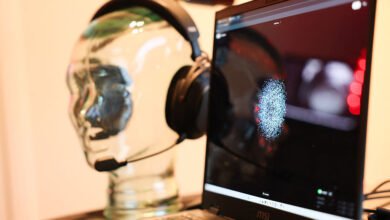
Neuralink has achieved a significant milestone by completing two brain implant procedures in a single day, marking a new chapter in neurotechnology advancements. The company confirmed the successful surgeries over the weekend, emphasizing that both patients, referred to as P8 and P9, are recovering well and in high spirits. This development represents a notable acceleration in Neuralink’s efforts to refine its brain-computer interface (BCI) technology.
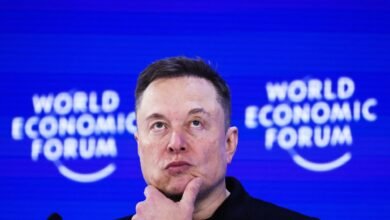
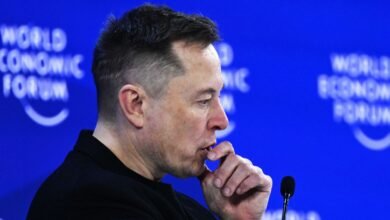
Elon Musk, the visionary behind Neuralink, shared his optimism about the project’s potential impact. “Neuralink will do life-changing good for ultimately millions, maybe billions, of people,” he stated. Musk painted a vivid picture of the possibilities, suggesting the technology could one day restore mobility to paralyzed individuals or help dementia patients reconnect with their memories. His remarks underscore the ambitious scope of Neuralink’s mission.
The announcement caught the attention of Demis Hassabis, CEO of Google DeepMind, who praised the breakthrough with a succinct yet enthusiastic response: “An amazing technology!” Hassabis’s comment has sparked speculation about whether Google’s AI division might be exploring similar frontiers in brain-machine interfaces.
Neuralink’s journey began in 2016, but it wasn’t until earlier this year that the company made headlines with its first human implant recipient, Noland Arbaugh. The 30-year-old quadriplegic demonstrated the implant’s capabilities by controlling a computer cursor and playing games using only his thoughts. This early success has fueled Musk’s bold claims about the technology’s future applications, including restoring vision to the blind, though ethical concerns surrounding Neuralink’s trials continue to draw scrutiny.
Beyond medical applications, Musk envisions Neuralink as a bridge between humans and artificial intelligence, a vision closely tied to his other ventures like xAI. The recent rollout of Grok 4 and AI companions has further cemented his reputation as a pioneer in cutting-edge tech. With each breakthrough, Neuralink inches closer to redefining what’s possible in human-machine integration.
The internet has been abuzz with reactions, from awe to memes, as the world watches Neuralink’s progress unfold. Whether it’s playing video games via brain signals or the promise of curing blindness, one thing is clear: the boundaries between biology and technology are blurring faster than ever.
(Source: Mashable)