How The Roottrees Thrived by Ditching AI for Authenticity
▼ Summary
– Robin Ward discovered *The Roottrees are Dead*, a free browser game with AI-generated art, but recognized its limitations due to Steam’s AI restrictions and ethical concerns.
– Jeremy Johnston, the game’s creator, initially used AI art due to time constraints and lack of artistic skills, releasing it for free despite its flaws.
– The game gained unexpected popularity on itch.io, earning donations but remained free due to ethical reservations about selling AI-generated content.
– Ward and Johnston collaborated to replace the AI art with human-made illustrations by Henning Ludvigsen, improving consistency and avoiding backlash.
– The Steam release of the revamped game was a success, with players praising the removal of AI art, though its initial version wouldn’t exist without AI.
The gaming industry continues to debate the role of AI-generated content, but one indie game’s journey from AI-assisted beginnings to handcrafted artistry proves authenticity still matters.
Robin Ward discovered The Roottrees Are Dead during his recovery from an injury, instantly drawn to its unique premise. The free browser game, created by Jeremy Johnston, stood out with its intricate family-tree puzzlesyet Ward understood why it hadn’t gained wider traction. The original version relied on AI-generated art, a decision that clashed with Steam’s policies and raised ethical concerns for both Ward and Johnston.
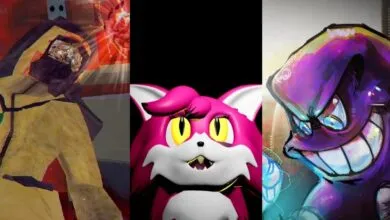
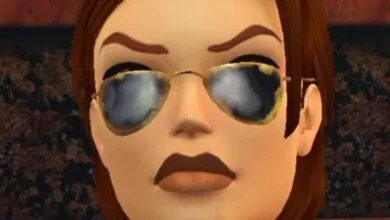
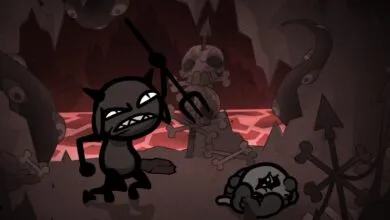
Initially developed during a 2023 game jam, Johnston turned to a friend skilled with Midjourney to produce character portraits under tight deadlines. The results were functional but flawed—distorted faces, unnatural hands, and an unsettling quality Ward describes as “demonic.” Despite expanding the game over 11 months, Johnston hesitated to replace the art, lacking the budget for professional photography or illustration.
Yet the game found an audience. Released for free on itch.io, it gained traction on forums and Reddit, earning modest donations from over 10,000 players. Its success caught Ward’s attention, leading to a collaboration: he would reprogram the game and commission artist Henning Ludvigsen to replace every AI-generated image.
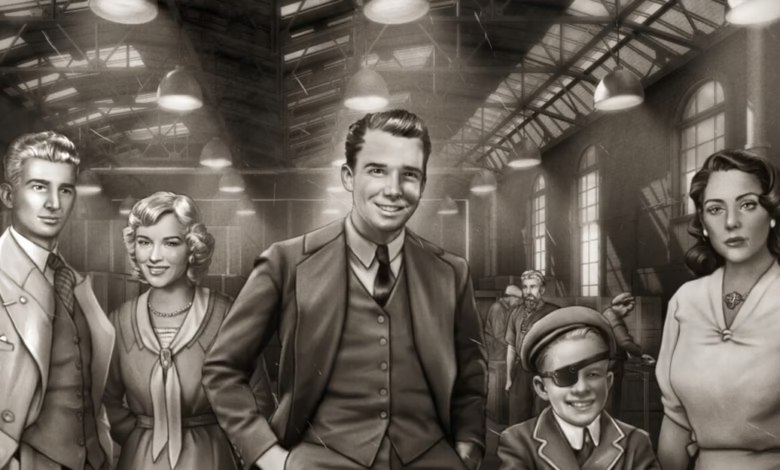
Ludvigsen approached the task meticulously, using the AI art as rough references while researching period-appropriate styles. Over nearly a year, he produced 40 illustrations, ensuring consistency, something the original AI versions lacked. “Companies skip the concept art phase now, which isn’t great,” Ludvigsen notes, criticizing how AI has reduced opportunities for artists.
The overhaul paid off. When The Roottrees Are Dead launched on Steam in early 2025, players overwhelmingly praised the shift to hand-drawn art. While a few missed the photorealistic aesthetic, Ludvigsen’s work resolved glaring inconsistencies, making puzzles more intuitive. The game’s critical and commercial success highlights a rare case where AI served as a stepping stone rather than a final product.
Johnston acknowledges the irony: without AI, the initial version wouldn’t exist, nor would its polished successor. Still, both he and Ward recognize the backlash against AI in gaming, citing player distrust and reputational risks. “Some would argue no game is better than one with AI,” Ward admits, referencing ethical and environmental concerns. “But I’m glad this one evolved the way it did.”
As AI tools proliferate, The Roottrees Are Dead offers a compelling blueprint, balancing innovation with artistic integrity. Its journey proves that while AI can jumpstart creativity, human craftsmanship remains irreplaceable.
(Source: The Verge)