Anthropic CEO Accuses OpenAI of ‘Straight Up Lies’ Over Military Deal

▼ Summary
– Anthropic’s CEO Dario Amodei criticized OpenAI’s defense contract as “safety theater,” accusing them of prioritizing employee placation over preventing AI abuses.
– Anthropic refused a DoD deal over concerns about enabling domestic mass surveillance or autonomous weaponry, while OpenAI accepted a contract with similar stated protections.
– Amodei directly called OpenAI’s messaging “straight up lies,” alleging Sam Altman falsely presents himself as a peacemaker regarding the military agreement.
– A key contractual dispute centered on the DoD’s demand for AI to be available for “any lawful use,” with critics noting laws can change and permit future unethical applications.
– Public reaction appeared negative for OpenAI, with a reported 295% jump in ChatGPT uninstalls and Anthropic rising in app store rankings following the deal’s announcement.
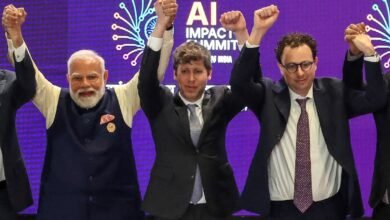
The escalating rivalry between leading artificial intelligence firms has taken a sharp turn, with the CEO of Anthropic publicly accusing OpenAI of dishonesty regarding a sensitive military contract. Dario Amodei, co-founder and CEO of Anthropic, reportedly told his staff that OpenAI’s dealings with the Department of Defense represent nothing more than “safety theater.” This accusation stems from a failed negotiation where Anthropic and the DoD could not reach an agreement, leading the defense department to instead partner with OpenAI.
Anthropic, which already held a substantial contract with the military, insisted on explicit guarantees that its AI technology would not be used for domestic mass surveillance or in autonomous weapon systems. The Department of Defense, however, demanded the AI be available for “any lawful use,” a condition Anthropic ultimately rejected. OpenAI subsequently announced its own defense contract, with CEO Sam Altman stating it included protections against those very same applications. In an internal memo, Amodei dismissed these assurances, calling OpenAI’s messaging “straight up lies” and accusing Altman of falsely presenting himself as a peacemaker.
The core of the dispute lies in the interpretation of “lawful purposes.” OpenAI published a blog post clarifying that its contract explicitly excludes uses deemed illegal, such as mass surveillance, asserting the DoD has no plans for such activities. Critics, however, argue this provides little long-term security, as laws can change and redefine what is considered permissible. This skepticism appears reflected in public sentiment; reports indicate a significant spike in users uninstalling ChatGPT following news of the OpenAI-DoD partnership.
Amodei expressed confidence that the public narrative favors his company, noting Anthropic’s rise in app store rankings and characterizing media perception as viewing OpenAI’s deal as “sketchy or suspicious.” His primary concern, as conveyed to employees, is ensuring that what he views as misleading spin does not resonate with OpenAI’s own workforce, potentially affecting morale and internal trust. The clash underscores a fundamental philosophical divide in the AI industry regarding ethical boundaries and corporate responsibility when engaging with government and military entities.
(Source: TechCrunch)