5 Years With a Brain Implant: A Firsthand Account
▼ Summary
– Rodney Gorham has used a Synchron brain-computer interface for five years, allowing him to control digital devices with his thoughts due to his ALS.
– Synchron is a company, alongside others like Neuralink, developing these implants to assist individuals with paralysis.
– The company’s Stentrode device is a mesh implant placed in a brain blood vessel to collect neural signals, which are transmitted from a chest unit.
– Synchron is preparing for a larger pivotal trial to seek regulatory approval, with discussions ongoing about how to measure the device’s effectiveness.
– These interfaces use decoding algorithms to translate a user’s attempted movements into digital commands, even if they cannot physically perform the action.
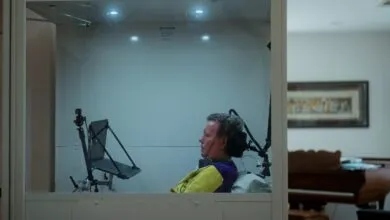
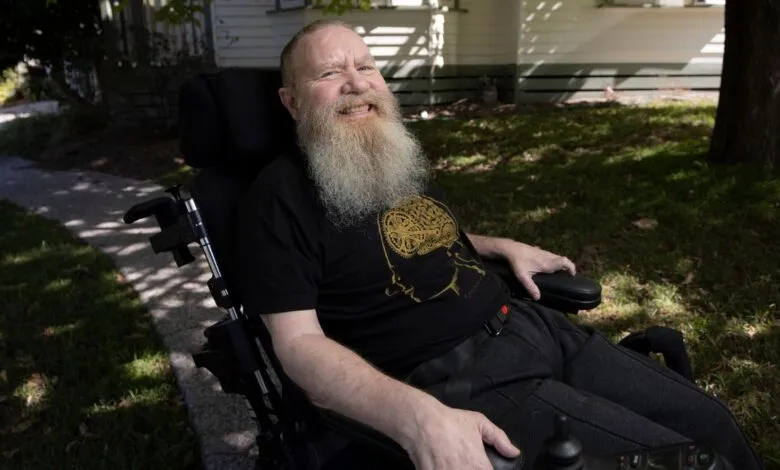
Reaching a five-year anniversary with an advanced medical implant is a rare achievement, and for Rodney Gorham, it represents a profound personal milestone. Gorham lives with ALS, a condition that has robbed him of the ability to walk, speak, or use his hands. His connection to the outside world is maintained through a groundbreaking device called the Stentrode, a brain-computer interface developed by the company Synchron. This implant allows him to operate computers and smart home devices using only his thoughts, serving as a critical communication tool and lifeline.
Synchron is part of a competitive field, which includes ventures like Neuralink, all working to transform brain-computer interfaces from research projects into practical aids for people with paralysis. Gorham’s long-term experience has been invaluable to the company’s development process. He is the longest-tenured user among Synchron’s ten trial participants, having received the implant in Australia in late 2020. His feedback over half a decade has directly influenced software updates, new decoding methods, and the integration of various applications.
The Stentrode itself is a tiny mesh tube implanted within a blood vessel adjacent to the brain’s motor cortex. Surgeons insert it through the jugular vein, guiding it into position where it can detect neural signals. A separate unit implanted in the chest receives these signals and wirelessly transmits them to an external computer for interpretation. This approach is considered less invasive than some other brain implant technologies.
As Synchron prepares for a larger, pivotal clinical trial required for regulatory approval, a significant challenge remains: defining success. The company is in discussions with the U.S. Food and Drug Administration to establish a clear clinical endpoint. Determining the measurable effectiveness of a brain-computer interface is more complex than evaluating a drug that directly treats a symptom. The core question is how to consistently and meaningfully quantify an improvement in a user’s quality of life or functional independence.
The technology hinges on sophisticated decoding algorithms. These programs must learn to translate specific patterns of brain activity into commands for a digital cursor or a smart device. For example, a user might imagine closing their hand to execute a mouse click. Even though a paralyzed individual cannot physically perform that action, the brain still generates a distinct signal when the intention is formed. The decoder’s ability to reliably recognize that intention from raw neural data is what makes the entire system functional. For pioneers like Rodney Gorham, this ongoing translation of thought into action is reshaping the boundaries of what is possible.
(Source: Wired)