Build a Google-Friendly Contact Page That Converts
▼ Summary
– Google specifically crawls and parses your contact page to gather business information, making it a critical local SEO asset beyond simple contact details.
– An effective contact page must include comprehensive business identity elements like a logo, slogan, and a clear introduction explaining your unique value proposition.
– It should provide detailed contact information, an embedded Google Map linking to your Business Profile, and operational details like hours and accepted payments to build legitimacy.
– The page must build trust through social proof like reviews, testimonials, awards, and clear expectations about response times and next steps.
– Including location-specific content, business amenities, and clear calls to action helps convert visitors and provides valuable data for both search engines and AI tools.
Most businesses treat their contact page as an afterthought, but for local search visibility and lead generation, it’s one of the most critical pages on your entire website. Google actively crawls and parses contact pages to gather authoritative data about a business, meaning a poorly constructed page is a missed opportunity to build prominence and trust. Instead of a sparse listing of basic details, your contact page should function as a comprehensive, conversion-focused landing page designed to inform both customers and search algorithms.
A high-converting contact page requires several key components: a strong business identity, complete contact information, robust trust signals, location-specific content, detailed amenities, and a clear call to action. Treating this page with strategic care can significantly improve your local SEO performance and turn casual visitors into committed customers.
Establishing a clear business identity is the foundation. The page must consistently reflect your brand with your logo, a relevant slogan, and a concise introduction. This introduction should explain what you do, where you operate, and your unique value proposition. This consistent branding helps Google understand and define your business entity more effectively.
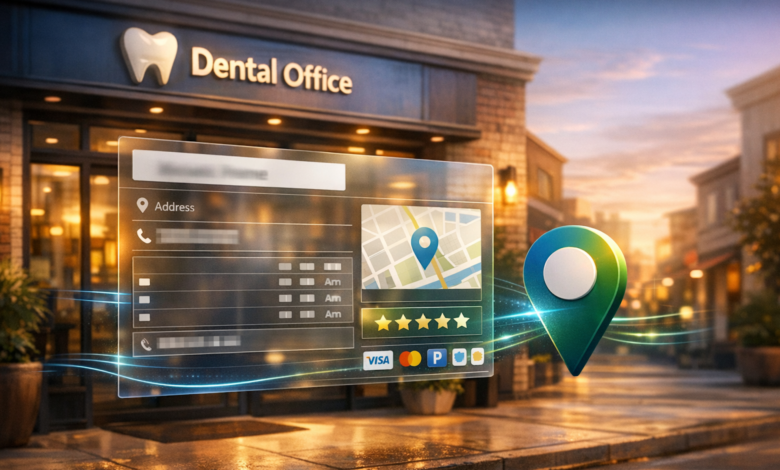
Perhaps the most obvious yet frequently bungled element is the contact information. Beyond just a name, address, and phone number, you need to provide a complete suite of details. This includes a contact form and a visible email address, social media links, detailed hours of operation, and shopping or service options like curbside pickup or appointments. Crucially, embed the map from your actual Google Business Profile, not just a generic map of your address. This simple step sends direct engagement signals to your profile. Additionally, include a prominent link to your Google Maps listing with anchor text like “Get driving directions” to encourage usage, which can positively influence local rankings. Don’t forget practical details like accepted payment methods and parking information. All this data signals legitimacy to search engines and assists customers.
Building trust and social proof convinces visitors they’re making the right choice before they ever reach out. Set clear expectations by stating your typical response time and outlining the next steps after contact. Bolster credibility by listing memberships in industry associations, local chambers of commerce, or professional groups, linking to your profiles where possible. Showcase any awards or press mentions. Embed customer reviews and testimonials directly on the page, including reviewer photos and names for authenticity. Displaying your overall rating and review count adds unique, locally relevant content that benefits SEO. This section is also an ideal place to include a subtle request for new reviews from returning customers.
Including location-specific content strengthens your local relevance. Use this space to introduce your team with photos, describe the community you serve, and highlight your neighborhood. Mention customer guarantees, local events you sponsor, or community partnerships. This content helps you connect with local searchers and differentiates you from competitors.
Listing amenities and attributes caters to both detailed customer queries and AI-powered search. Review the attributes section in your Google Business Profile and replicate relevant ones on your contact page, such as “women-owned” or “offers delivery.” Go beyond Google’s options by listing other important features your business offers. This detailed information helps search engines and large language models understand that you meet very specific, conversational customer needs.
Finally, every section should support a clear and compelling call to action (CTA). Strategically place bright, eye-catching buttons or links encouraging visitors to call, email, or fill out your form. If you’ve done the work to create an informative page, don’t let the conversion opportunity fade away without a direct prompt.
By assembling these elements, you transform a basic contact page into a powerful marketing tool. This approach ensures your page provides valuable data to Google, builds customer confidence, and effectively converts visitors, easily outperforming the majority of lackluster competitor pages.
(Source: Search Engine Land)