Apple’s AI Glasses: New Details Spark Excitement
▼ Summary
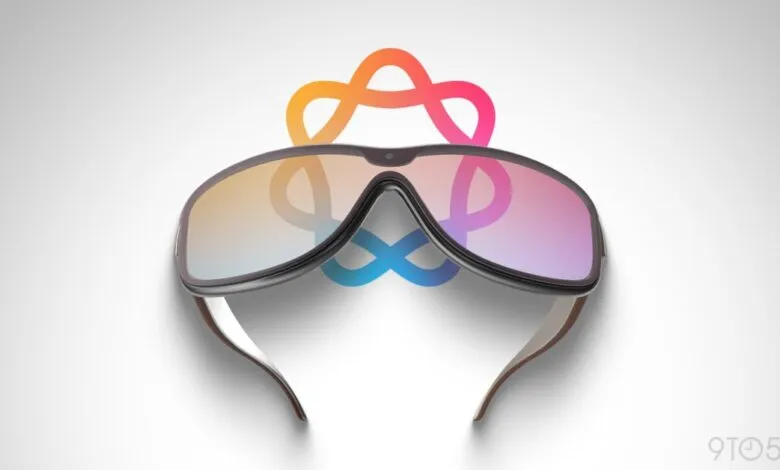
– Apple is accelerating development of AI wearables, including smart glasses designed to integrate Siri more deeply into daily life.
– The company’s reported AI glasses are similar to Meta Ray-Bans, which feature cameras, microphones, and speakers for interacting with an AI assistant.
– Apple’s glasses will reportedly integrate two camera lenses for computer vision and photography, with all components embedded in the frame.
– A key potential innovation stems from Apple’s acquisition of Q.ai, a startup specializing in interpreting silent speech via machine learning and micro facial movements.
– While likely more expensive than Meta’s product, Apple’s glasses could gain significant appeal if they successfully implement advanced, discreet speech recognition technology.
Recent reports indicate Apple is significantly ramping up development on a new category of wearable technology focused on artificial intelligence. Among the most anticipated items are a pair of AI-powered smart glasses, designed to integrate Siri more deeply into daily life. This move signals a strategic shift, placing advanced AI interaction at the forefront of Apple’s wearable ambitions rather than the long-rumored augmented reality spectacles, which remain on hold for now.
The project appears to draw direct inspiration from the success of products like Meta Ray-Bans, which have gained popularity despite privacy concerns. Those glasses function primarily as a hands-free camera and audio device with a built-in voice assistant. Apple’s version, however, aims to push the boundaries of what’s possible with on-the-go AI.
Development has progressed to a point where technical hurdles are being solved. Apple has reportedly managed to embed all necessary hardware, including dual camera lenses, directly into the glasses’ frame. One lens would handle computer vision tasks for the AI, while the other captures photos and videos. An earlier plan to use an external battery pack has been abandoned, suggesting a more streamlined and consumer-friendly design is in the works.
A major differentiator could come from a recent, high-profile acquisition. Apple purchased a startup named Q.ai for a staggering two billion dollars. This company specialized in a groundbreaking area: machine learning systems that interpret silent voice input and micro facial movements. This technology could allow users to communicate with Siri without uttering a single audible word, addressing a common practicality issue with voice assistants in public or noisy settings.
This silent interaction capability could be a game-changer. It solves the social awkwardness and environmental limitations that often make people hesitant to use voice commands openly. If executed well, it could transform how people interact with AI, making it a more seamless and private part of everyday routines.
While a final release date is not yet confirmed, industry observers suggest we could see these AI glasses within the next year. They will almost certainly carry a premium price tag compared to existing alternatives like the Meta Ray-Bans. However, if Apple successfully delivers a superior, discreet AI experience through advanced speech recognition, many consumers may find the higher cost justified. The success of this product may hinge less on its hardware and more on how intelligently and unobtrusively it facilitates interaction.
(Source: 9to5Mac)