Ring’s Cute Yet Controversial Surveillance World
▼ Summary
– The Ring Super Bowl ad can be interpreted as either a heartwarming story or as promoting a pervasive surveillance system that threatens privacy.
– The Vergecast episode debates the purpose of security cameras and what “security” means, prompted by the Ring ad and a separate Nest camera data recovery incident.
– The episode also covers significant turmoil in the AI industry, including high-profile resignations and dire safety warnings from companies like OpenAI and Anthropic.
– Concerns are raised about the implications of chatbot advertising for user data, conversations with AI, and broader societal impact.
– The show concludes with a lightning round segment covering various tech news topics, including Siri delays and a forthcoming Ferrari EV.
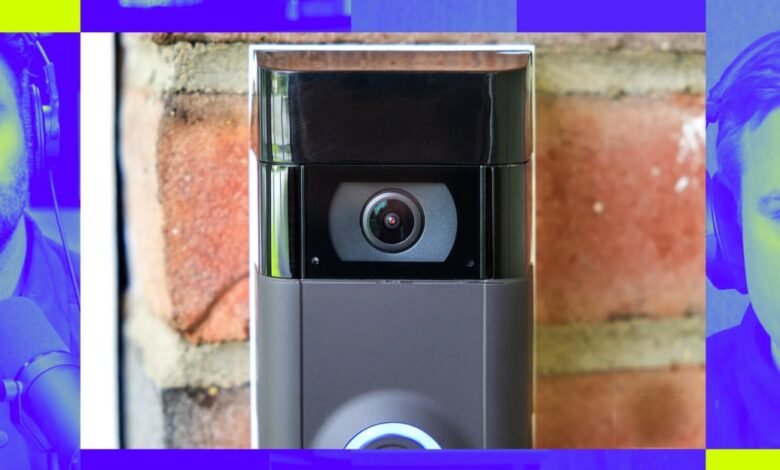
The recent Super Bowl advertisement from Ring presents a heartwarming narrative of lost pets finding their way home, yet this same commercial reveals the ambitious blueprint for a pervasive, interconnected surveillance network that could fundamentally reshape our understanding of privacy. This dual perspective lies at the heart of a growing debate about the future of smart home security and the data it collects. The conversation gains urgency following incidents like the recovery of supposedly deleted footage from a Nest camera, prompting essential questions about what true security means and what we genuinely expect from the devices we invite into our homes.
On a recent episode of The Vergecast, the discussion delved into why a company would develop features that enable such extensive monitoring and whether this level of surveillance represents an intended function or an alarming flaw. The core controversy isn’t just about watching for package thieves; it’s about the normalization of constant observation and the potential for that data to be used in ways consumers never anticipated. This moment forces a reckoning with the trade-offs between convenience, safety, and personal privacy in an increasingly connected world.
Shifting focus, the show also tackled another week of significant turmoil within the artificial intelligence sector. High-profile departures from leading firms like Anthropic and OpenAI have been accompanied by stark warnings about the power and dangers of advanced AI. The dissolution of OpenAI’s specialized safety team and public statements from researchers suggesting the world is in peril raise critical questions about who is steering this powerful technology’s development. These internal alarms from AI insiders suggest that the risks may be more immediate and profound than the public has been led to believe, moving beyond theoretical future threats to present-day concerns about governance and safety protocols.
Adding another layer to the concern, some technologists are now voicing apprehension about the integration of advertising into chatbot interfaces. This development threatens to commercialize personal conversations with AI, turning private interactions into data streams for targeted marketing. The collective anxiety from these parallel events, in home surveillance and AI development, paints a picture of a technological landscape advancing rapidly without clear rules or consensus on ethical boundaries.
In a lighter segment, the episode included a lengthy installment of “Brendan Carr is a Dummy,” alongside updates on further delays for Apple’s Siri improvements and news about the upcoming all-electric Ferrari. These topics, while varied, contribute to a broader narrative of a tech industry simultaneously reaching new heights of innovation and grappling with the profound consequences of its own creations. The challenge for consumers and regulators alike is to discern which developments offer genuine benefit and which pose unacceptable risks to autonomy and privacy.
(Source: The Verge)