AI Drives B2B Brand Decisions First
▼ Summary
– B2B marketing’s traditional reliance on clear product differentiation is breaking down because software features are now easily replicated, making product alone insufficient.
– A brand is not a company’s controlled narrative but a buyer’s emotional expectation of safety and certainty, answering unspoken questions about risk and career impact.
– Buyers now form their baseline perception of a company from external sources like review sites and social chatter before ever engaging with the company’s own marketing.
– AI consolidates and amplifies this market chatter into a definitive-sounding verdict, instantly shaping a buyer’s settled opinion before a sales conversation begins.
– A strong brand is an organization-wide mission built on consistently delivering on expectations across all customer touchpoints, as AI will broadcast the reality of that experience.
The landscape of B2B marketing is undergoing a fundamental shift. Where product features and technical specifications once dominated purchasing decisions, brand perception is now the decisive factor. This change is driven by the collapsing differentiation between software tools and the rapid consolidation of market opinion through artificial intelligence. Buyers, faced with products that appear functionally similar, increasingly choose the option that feels safest and most reliable. That feeling of safety is the essence of modern brand power.
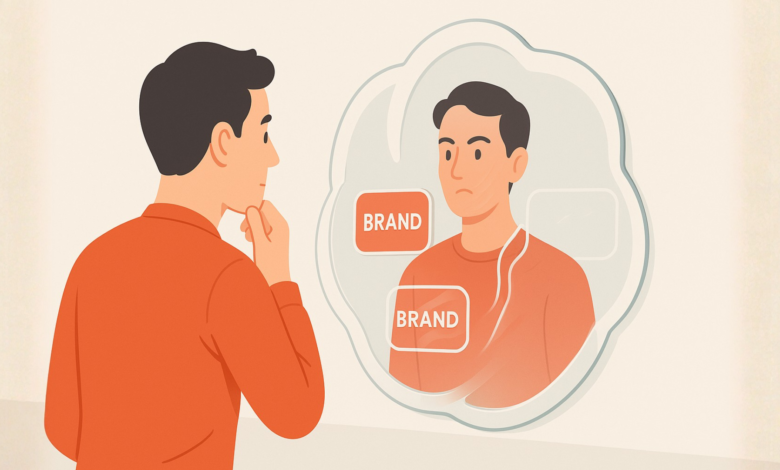
For years, marketing teams approached brand as a controlled narrative, a story told through logos, taglines, and websites. The reality is that brand has always existed elsewhere. It lives as an expectation in the buyer’s mind, a personal and emotional prediction of what it will be like to choose, trust, and justify a vendor. It answers unspoken questions: Will this make me look competent? Is implementation going to be a nightmare? Could this decision backfire on my career? Brand is the quiet answer to questions buyers rarely say out loud, providing a felt sense of certainty in an inherently uncertain process.
The critical evolution is that this expectation is no longer formed in the channels companies control. Buyers no longer arrive at a website with an open mind. They come armed with a pre-formed story absorbed from a fragmented digital ecosystem: third-party review sites, community forums, LinkedIn discussions, niche Slack groups, and YouTube critiques. This market chatter has always influenced perception, but it previously moved slowly, allowing companies a window to shape first impressions. That window has slammed shut.
Artificial intelligence is the catalyst, transforming scattered opinions into a consolidated, authoritative verdict. AI tools ingest thousands of disconnected data points, reviews, forum comments, social sentiment, competitive comparisons, and distill them into a clean, confident summary. It delivers a storyline with the weight of objective truth: “Here’s who this company is, what they’re known for, and where they fall short.” The buyer walks into the first sales conversation carrying a settled opinion, shaped not by vendor claims but by the collective experience of the market. Everything a company does from that point forward either confirms that pre-existing belief or represents an uphill battle to change it.
This dynamic elevates brand from a marketing concern to an organization-wide imperative. Surviving brands understand that brand is not your messaging; it is your ability to create an expectation and meet it consistently. It is embodied in the product experience, the onboarding process, customer support interactions, and billing transparency. It shows up in the stressful moments when a customer is behind schedule or trying to justify their purchase internally. B2B often pretends to sell features, but what buyers truly purchase is confidence, the belief that a promised outcome will materialize. Features are merely the mechanism; brand is the trust that the mechanism will work.
In this new paradigm, a company’s brand is shaped not by its intended narrative but by its operational reality. AI will speak on your behalf, and you do not get to edit the script. The companies that will thrive are those that build organizations where every team and every touchpoint delivers on the core brand promise, especially under real-world constraints. This consistency fuels the positive reviews, authentic advocacy, and word-of-mouth that AI will ultimately summarize. When an AI agent describes your company in three bullet points, the goal is for those points to accurately reflect the reliable value you deliver, not become a liability you must explain away. The ultimate requirement is building a business so aligned that the market’s consensus, amplified by AI, becomes your strongest asset.
(Source: MarTech)