Google Chrome to Add Gemini AI Sidebar

▼ Summary
– Google has updated Chrome with a new side panel for its Gemini AI, allowing AI-assisted website interactions and task delegation for subscribers.
– The feature, which shrinks website displays to accommodate a sidebar, is designed to help users multitask, compare information, and summarize content across tabs.
– Gemini can act as a software agent to perform multi-step tasks like shopping on Etsy within set budgets, a capability Google calls “Chrome auto browse.”
– This auto browse function, currently for US subscribers on specific OSes, can research travel, schedule appointments, and fill forms, but may face website restrictions.
– Google plans to integrate Gemini’s personal intelligence and supports a commerce protocol for bots, while adding human confirmation steps for purchases to address website concerns.
Google is integrating its Gemini AI directly into the Chrome browser through a new sidebar, aiming to transform how users interact with the web by offering AI-assisted task management. This move positions Chrome to compete with other browsers that have already embraced AI agents, betting that users will increasingly rely on automation for shopping, research, and planning. The feature is currently rolling out to subscribers of Google’s AI Pro and AI Ultra tiers in the United States on desktop platforms.
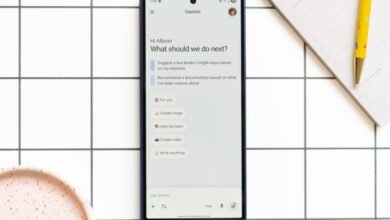
The familiar Gemini button in Chrome’s interface now opens a side panel, allowing users to chat with the AI without navigating away from their primary tab. According to Parisa Tabriz, Vice President of Chrome, this design helps users save time and multitask more effectively. For instance, you could keep a project open in your main window while using the sidebar to research a related topic or summarize information from several different websites.
A practical demonstration shows the potential. If you have an image of a photo booth loaded in your browser, you could instruct Gemini to “Go to Etsy and find supplies to recreate the photo booth and add them to my cart. Don’t spend more than $75 total.” The AI would then attempt to navigate to Etsy, identify relevant items like fringe curtains, and add them to a shopping cart, stopping just short of completing the purchase to await user confirmation.
Beyond shopping, the sidebar integrates with tools like Google Nano Banana for on-the-fly image creation and editing. Chrome’s connectivity has also been expanded through Connected Apps, which now include Google Workspace, various Android communication tools, Spotify, YouTube Music, Google Photos, and services like Maps and Shopping. With user permission, Gemini can potentially interact with these applications to pull information or perform actions.
Looking ahead, Google plans to introduce Gemini’s Personal Intelligence to Chrome. This feature would allow the AI to remember past interactions with websites and apps, using that context to provide more relevant assistance in future sessions, provided users opt into the functionality.
A significant new capability is “Chrome auto browse,” which frames the browser as a software agent capable of executing multi-step tasks. Tabriz suggests this could automate mundane work such as comparing hotel and flight prices across different dates to find the most budget-friendly travel options. The vision extends to having the AI handle appointment scheduling, form filling, document assembly, and even soliciting bids from service providers.
However, the widespread utility of such automated browsing faces hurdles. Many websites are implementing barriers to limit non-human interaction. Recent legal action, such as Amazon’s lawsuit against Perplexity for alleged unauthorized automated access, and policy updates from companies like eBay that prohibit orders without human review, highlight this growing tension. Websites are not always willing participants in the shift toward agentic commerce, though their resistance may soften given the enormous financial potential; some projections estimate bot-driven retail could reach a $1 trillion market in the U.S. by 2030.
Google is attempting to navigate these concerns. Its auto browse feature will require human confirmation for critical actions like making purchases or posting to social media. Furthermore, the company states that Chrome will support the Universal Commerce Protocol (UCP), an open standard developed with retailers including Etsy, Shopify, Target, and Wayfair, which aims to create a structured framework for bot-driven transactions.
(Source: The Register)