DARPA’s Triage Robot Conquers Extreme Cold in New Video

▼ Summary
– The article is a weekly collection of robotics videos and event announcements from IEEE Spectrum.
– It highlights various robots, including Spot for firefighting and the Lynx M20 tested in extreme cold.
– New robots featured include a teleoperation system from KIMLAB and a delivery robot from KAIST.
– A project called CLIO demonstrates an LLM-powered, embodied tour-guide robot built by students.
– A recurring theme is a critical or humorous perspective on robotics trends, like questioning the use of humanoids.
Watching robotics research intersect with the everyday world offers a unique and compelling glimpse into our technological future. This weekly roundup highlights some of the most intriguing recent developments, from robots braving harsh environments to new platforms redefining automation. The field continues to push boundaries, demonstrating both practical applications and the fascinating challenges that remain.
A standout demonstration comes from DARPA, where a triage robot based on the Spot platform has successfully operated in extreme cold, enduring temperatures as low as -30°C. This rugged capability is crucial for deploying robots in search and rescue or military operations within some of the planet’s most unforgiving climates. The video shows the system navigating snowy, uneven terrain with a determination that suggests a future where machines handle dangerous environmental work.
Firefighting represents another critical frontier. Researchers are developing systems where a legged robot like Spot could autonomously identify and suppress fires. The vision is for these machines to enter hazardous zones too risky for human responders, using onboard sensors to locate flames and deploy extinguishing agents. While still in development, the potential to save lives and protect property is immense.
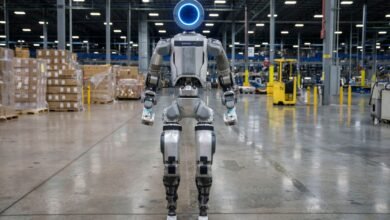
The spectacle of multiple humanoid robots powering up in unison is both impressive and slightly unsettling. A new video showcases a fleet of these machines rising from their storage crates, highlighting advances in manufacturing and systems integration. The synchronized activation demonstrates a level of readiness and scalability that moves humanoids closer to real-world deployment in logistics and assembly.
Beyond well-known platforms, other companies are making significant strides. The Lynx M20 quadruped recently completed its own rigorous cold-weather trials in China, proving its reliability in sub-zero conditions. Meanwhile, a new teleoperation robot from KIMLAB was previewed in a serene campus setting, focusing on seamless integration into human spaces before technical specs are released.
A persistent debate in robotics questions the necessity of humanoid forms. A recent demonstration involved a humanoid robot performing a simple object retrieval task, reigniting discussions about design philosophy. Critics argue that a specialized robot could likely perform the job more efficiently, while proponents see value in developing versatile platforms that can operate in environments built for people.
Logistics and delivery continue to be a major focus. An autonomous urban delivery robot prototype captured attention, though the most innovative element might be its automated docking station. The system appears to load packages into the robot without human intervention, suggesting a fully automated chain from warehouse to doorstep. In a lighter vein, Boston Dynamics released a whimsical video that humorously complicates the question of where to place a “face” on its famous quadruped.
Finally, the application of advanced AI in robotics is accelerating. A team of undergraduates developed a tour-guide robot named CLIO in just a few months. Built on a commercial quadrupedal platform, it utilizes large language models for planning engaging tours, computer vision to recognize visitors, and a laser pointer with an expressive display to direct attention. It’s a compelling example of how accessible AI tools are empowering rapid innovation.
These videos collectively paint a picture of a field in rapid motion. Robots are becoming more resilient, more integrated into workflows, and more intelligent. The journey involves both brilliant engineering and ongoing philosophical questions about the best path forward, making robotics one of the most dynamic areas of modern technology.
(Source: Spectrum)