Tesla’s Robotaxi Hits Austin Roads Without a Safety Driver
▼ Summary
– Tesla has begun offering robotaxi rides in Austin without a human safety driver in the front seat, as announced by CEO Elon Musk.
– The company started a limited deployment with safety operators last June and began testing without a front-seat driver in December.
– Tesla’s AI lead stated the company will begin with a few unsupervised vehicles mixed into the fleet, increasing the ratio over time.
– The company is charging for these driverless rides, and a chase car appears to follow the vehicles.
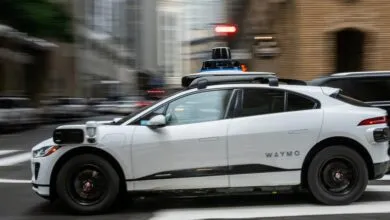
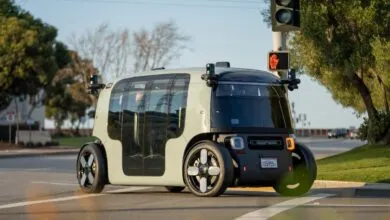
– This approach differs from some rivals, like Zoox and Waymo, which did not initially charge for their early driverless rides.
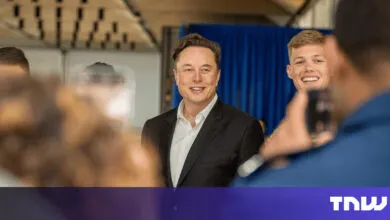
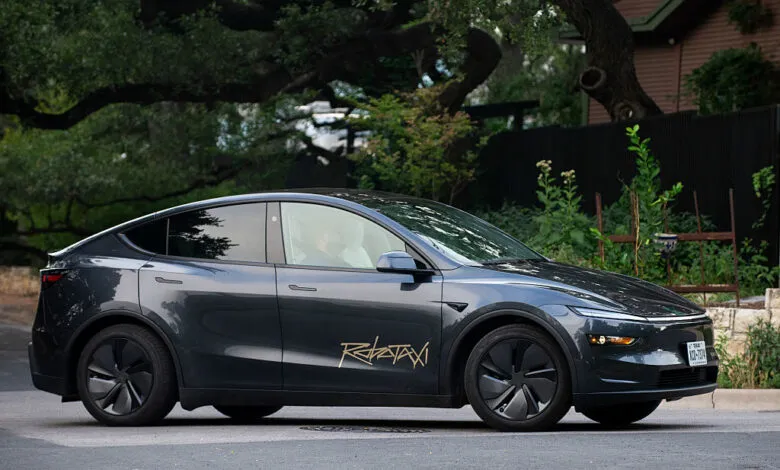
Tesla has begun offering fully driverless robotaxi rides to passengers in Austin, marking a significant step in its autonomous vehicle program. The company has removed the human safety driver from the front seat for this latest phase of its service. CEO Elon Musk announced the milestone on his social media platform, congratulating the Tesla AI team and framing the work as a pathway toward advanced artificial intelligence. This move represents an evolution from the limited deployment launched last June, which initially included a safety operator in the vehicle.
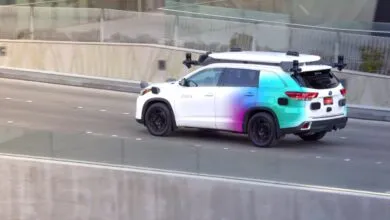
The transition to unsupervised rides is being managed cautiously. According to Tesla’s AI lead, Ashok Elluswamy, the company is starting with only a few driverless vehicles operating within the broader robotaxi fleet that still includes safety monitors. The plan is to gradually increase the proportion of fully autonomous cars over time. This phased approach follows earlier testing in December, where vehicles operated without a front-seat safety driver as a precautionary measure.
Passengers are reportedly being charged for these driverless rides, a detail confirmed by a rider’s social media post. Observations also indicate that a chase car sometimes follows the autonomous vehicles, suggesting an additional layer of monitoring. This business model differs from some competitors, like Zoox and Waymo, which initially offered their driverless services free of charge during early deployment phases.
Musk used the announcement to make a recruitment pitch, calling for engineers interested in “solving real-world AI” to join Tesla’s team. He suggested this work could contribute to the development of artificial general intelligence (AGI). The company’s initial robotaxi rides in Austin were offered selectively to influencers and a small group of customers before expanding. As Tesla advances its technology, the industry watches closely to see how its approach to commercialization and safety will unfold in the competitive autonomous vehicle landscape.
(Source: TechCrunch)