Waymo’s Robotaxis Now Open to the Public in Miami
▼ Summary
– Waymo has launched a public robotaxi service in Miami, initially rolling it out to approximately 10,000 residents on its waitlist.
– The company follows a phased launch strategy, having previously expanded from Phoenix to cities like San Francisco and Los Angeles, and recently partnered with Uber in Atlanta and Austin.
– Waymo plans an aggressive expansion to nearly a dozen more cities, including Dallas and Seattle, with a goal of offering 1 million weekly trips by the end of 2026.
– The expansion has faced issues, including traffic disruptions in San Francisco and federal safety investigations into incidents involving school buses.
– A voluntary software recall was issued to address the school bus problem, but new videos suggest the issue may not be fully resolved.
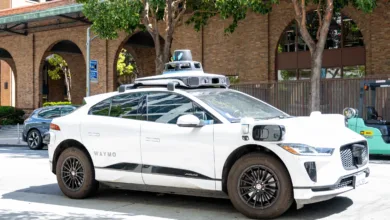
Residents of Miami can now officially book a ride in a fully driverless Waymo vehicle. The autonomous ride-hailing service has launched for the general public, marking a significant step in the company’s nationwide expansion. Initially, access is being granted on a rolling basis to the roughly 10,000 people who signed up for the local waitlist. Once approved, these riders can summon a robotaxi across a 60-square-mile service area that includes popular neighborhoods like Brickell, Wynwood, the Design District, and Coral Gables. Waymo has indicated that service to Miami International Airport is in the works and will arrive “soon,” though a specific date has not been announced.
This public launch follows months of careful preparation. Waymo first began mapping and testing its vehicles on Miami’s streets, eventually removing the human safety operators from its fleet last November. The company then opened the driverless service to its own employees before this broader public rollout. This measured, phased approach has become a standard part of Waymo’s strategy for entering new cities, a process that has accelerated considerably in recent years.
The Miami debut is the latest move in a rapid expansion plan. Waymo first offered public service in Phoenix back in 2020, later expanding to San Francisco and Los Angeles. The company has outlined an aggressive roadmap to bring its robotaxi service to nearly a dozen additional metropolitan areas over the next year. The target list includes major cities like Dallas, Houston, Seattle, Detroit, and Washington, D.C. In some of these locations, Waymo is already conducting tests using its fleet of all-electric Jaguar I-Pace vehicles and newer Zeekr RT vans, which the company has rebranded as “Ojai.”
Further demonstrating its growth ambitions, Waymo entered the Atlanta and Austin markets in spring 2025 through a partnership with Uber, and has even begun operating on select freeways in its established service areas. Company leadership has set a bold target, suggesting that by the end of 2026, Waymo could be providing one million rides every week.
However, this swift growth has not been without challenges and increased scrutiny. In cities like San Francisco, residents have documented instances where Waymo vehicles have contributed to traffic disruptions, including a notable incident during a widespread power outage. More seriously, the company has attracted the attention of federal safety regulators.
The National Highway Traffic Safety Administration opened a preliminary investigation last October following reports of Waymo robotaxis improperly navigating around stopped school buses in Atlanta. Similar complaints and video evidence have emerged from school officials in Austin, showing vehicles passing buses with their stop signs deployed and lights flashing. In response, Waymo issued a voluntary software recall intended to address the issue. Despite this fix, newly surfaced videos appear to show that the problem of illegally passing school buses persists, indicating that a resolution may still be underway.
(Source: TechCrunch)