FDA Clears AI-Powered Fetal Ultrasound by Biotics AI
▼ Summary
– Biotics AI, the 2023 TechCrunch Disrupt Battlefield winner, has received FDA clearance for its AI software that detects fetal abnormalities in ultrasound images.
– The company’s founder, Robhy Bustami, was inspired by his family of obstetricians and aims to improve prenatal outcomes, particularly for high-risk groups like Black women.
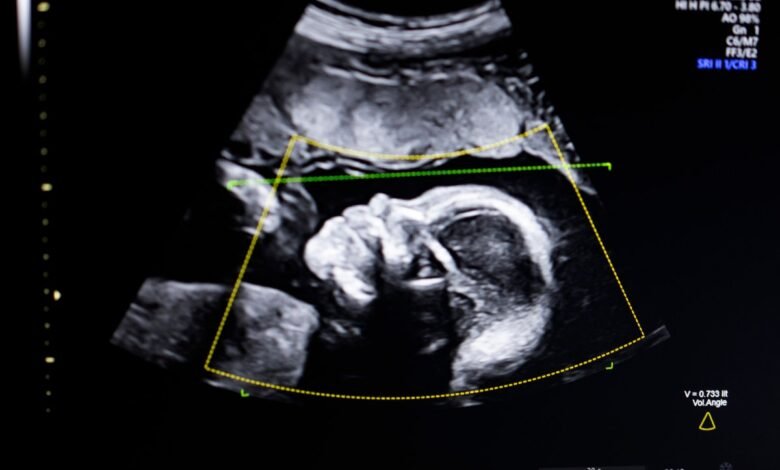
– The technology uses computer vision AI to assess ultrasound quality, anatomical completeness, and automate reporting within clinical workflows.
– A key development challenge was ensuring the AI performed reliably across all patient demographics, not just in ideal cases, using a diverse training set of 11,000 ultrasounds.
– With FDA clearance secured, the company’s next focus is scaling the technology across U.S. health systems and adding more features for fetal and reproductive health.
The U.S. Food and Drug Administration has granted clearance to an innovative artificial intelligence software designed to enhance prenatal care. Developed by Biotics AI, this technology analyzes ultrasound images to help clinicians detect fetal abnormalities, assess image quality, ensure anatomical completeness, and automate reporting. This advancement arrives at a critical time, as the United States contends with some of the most challenging prenatal outcomes among high-income nations, particularly for Black mothers who face disproportionately high rates of maternal mortality.
The company’s founder and CEO, Robhy Bustami, grew up immersed in the world of obstetrics. His mother, sister, and uncle all worked in the field, and he frequently accompanied his mother as she provided care across the country. This firsthand exposure to maternal healthcare shaped his vision. After studying computer science at UC Irvine, Bustami co-founded Biotics AI in 2021 with Salam Khan, Chaskin Saroff, and Dr. Hisham Elgammal.
Bustami describes the prenatal ultrasound as the cornerstone of modern pregnancy monitoring, but he notes that the variable quality of images can sometimes lead to misdiagnosis. His team’s software applies computer vision AI to bring greater consistency and insight to this vital process. While building the AI models, trained on a diverse dataset of 11,000 ultrasounds, was complex, Bustami emphasizes that the most difficult challenge was ensuring reliable real-world performance. Proving consistent efficacy across all patient demographics, especially those at highest risk, was an absolute priority.
“The hardest part was not building the AI models… but ensuring the tech performed reliably in the real world, especially on demographics with the highest risk for a tragic outcome,” Bustami explained. He stressed that in a landscape of well-documented healthcare disparities, demonstrating equitable performance was non-negotiable.
Navigating the FDA’s regulatory pathway took just under three years. This process, which included rigorous testing and validation, provided a crucial lesson for the startup. Bustami learned that success depends on tightly integrating engineering, product development, clinical research, and regulatory strategy from the very start. By designing these elements concurrently rather than in sequence, the team was able to accelerate its progress toward clearance.
With this key regulatory milestone achieved, Biotics AI is now focused on scaling its technology across health systems nationwide. The company, which was a winner at TechCrunch Disrupt Battlefield 2023, also plans to expand its software’s capabilities with additional features aimed at fetal medicine and broader reproductive health. Bustami believes this clearance positions the company to significantly widen its distribution and deepen its clinical impact, offering a powerful new tool in the effort to improve outcomes for mothers and babies.
(Source: TechCrunch)