Is Your Tech Stack Too Bloated?
▼ Summary
– Marketing technology debt is the costly accumulation of unused tools, integration failures, and team frustration that slows down operations and wastes budget.
– The proliferation of AI tools is accelerating this problem, as they are easy to add but often poorly integrated and adopted.
– A detailed checklist helps identify debt through red flags in usage, data integration, cost, strategy, and tool functionality.
– To streamline a stack, one must inventory all tools, evaluate their actual use and necessity, and cut duplicates or unused platforms.
– Building a sustainable process requires disciplined buying, regular audits, and prioritizing tools the team will actually use over feature-rich options.
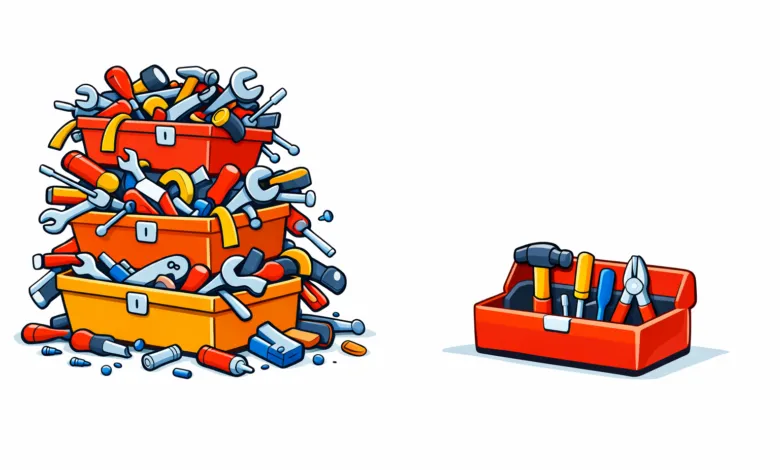
The constant stream of new AI-powered marketing tools can create a paradox: the very technology meant to streamline your work often ends up slowing it down. Marketing technology stacks are becoming more cluttered than ever, leading to wasted budget, team frustration, and a fragile system of disconnected platforms. The issue isn’t a lack of tools; it’s an excess of underutilized software that creates hidden costs in complexity and lost productivity.
This accumulation of marketing technology debt goes beyond unused subscriptions. It represents the growing burden of managing multiple logins, failed integrations, scattered data, and the daily confusion over which platform to use for which task. AI tools, while promising efficiency, often accelerate this problem because they are added faster than teams can properly adopt or integrate them.
How can you tell if your own stack has become a liability? Consider these warning signs across several key areas.
Usage and adoption often provide the clearest signals. If your team actively avoids certain paid platforms, preferring workarounds, that’s a major red flag. Other indicators include new hires taking weeks just to learn the toolset, forgotten logins for multiple paid services, frequent questions about which overlapping tool to use, and more time spent on software training than on actual marketing strategy.
Integration and data issues reveal systemic problems. Be concerned if your data lives in five or more disconnected places that never agree, if pulling a simple report requires manual data stitching from multiple exports, or if critical integrations have been on the “to-do” list for over six months without progress. Manually entering the same data into different systems or experiencing regular, unnoticed API failures are also strong signs of debt.
Cost and value misalignment is a direct financial drain. This includes having subscriptions scattered across departments with no central oversight, paying for “seat licenses” for departed team members, or being unable to connect a tool’s cost to a tangible business outcome. Holding onto software solely because “we already paid for the annual fee” or because you hoped to “grow into” features you still don’t use a year later are classic symptoms.
Strategic and organizational weaknesses emerge when there’s no cohesive plan. Different team members using different tools for the same function, reactive tool purchases without an overall strategy, and leadership needing custom decks to understand performance all point to deeper issues. The presence of “shadow IT”, unofficial tools bought by team members, or a crisis when someone leaves the company over access logins further confirms a lack of control.
Finally, examine feature and functionality overlap. You likely have bloat if you’re using less than 30% of the features you pay for, if your enterprise platform is massive overkill for your needs, or if you have three or more tools doing essentially the same job. Needing custom workarounds for basic tasks or purchasing add-ons just to make tools communicate are clear signals your stack is working against you.
If these points sound familiar, it’s time for a systematic cleanup. Streamlining your stack is a manageable process that begins with a ruthless audit.
Start by taking a complete inventory of every tool in use, including cost, primary users, and last login dates. Don’t forget the shadow IT. This list alone often reveals surprising redundancies and waste.
Next, evaluate each tool with three blunt questions: What specific problem does it solve right now? Who uses it regularly and how often? What would actually break if you cancelled it tomorrow? Honest answers will quickly identify the dead weight.
From there, identify quick wins by cancelling tools with zero impact and eliminating duplicate functionalities, like multiple email platforms or social schedulers. Keep only the one your team actually prefers.
Then, address integration failures. Where is data being moved manually between systems? Sometimes, the solution is to cut one side of a broken integration rather than endlessly trying to fix it. Look for platforms that can consolidate two or three existing tools, prioritizing those your team enjoys using.
When consolidating and replacing, remember that ease of use and adoption matter far more than an exhaustive feature list. A tool with 80% of the needed features that people will actually use is superior to a 100%-feature tool that sits idle.
To prevent future debt, create a sustainable buying process. Before any new purchase, document the exact problem, check if existing tools can solve it, pilot with a small team, and schedule a 90-day evaluation. Institute regular stack audits and assign someone to track usage and ROI.
AI tools require special scrutiny, as they are a primary source of new bloat. Before adding one, ask if it replaces an existing task or merely adds to the pile. Always test with a free trial first, and check whether your current tools have added AI features you’re not using. The discipline to decline unnecessary AI tools can become a real competitive advantage, allowing for agility while others drown in options.
The payoff for this effort is substantial. A lean stack means your team moves faster with fewer obstacles. Data becomes reliable and actionable because it’s centralized. Your budget fuels tools that deliver real ROI, and new members onboard quickly without a steep learning curve. You gain clear visibility into what’s working through unified reporting.
A lean stack isn’t about having less capability; it’s about having the right capability that your team will actually use. Start with the obvious waste, the unused tools, the duplicates, the manual workarounds, and build from there. In an age of endless options, the strategic discipline to streamline and say “no” is what sets effective teams apart. Your marketing technology should make work easier, not harder. If it doesn’t, it’s time to start cutting.
(Source: MarTech)