7 Health Tech Innovations Transforming Life in 2026
▼ Summary
– AI is becoming foundational in health wearables, moving from a feature to a core technology that translates biometric data into diagnostics and actionable insights.
– Wearable devices like smart rings and bands are becoming sleeker and more aesthetically appealing, reducing friction with fashion and reflecting mainstream adoption.
– Haptics are being integrated into smart rings to provide active nudges and alerts, expanding their functionality beyond passive tracking.
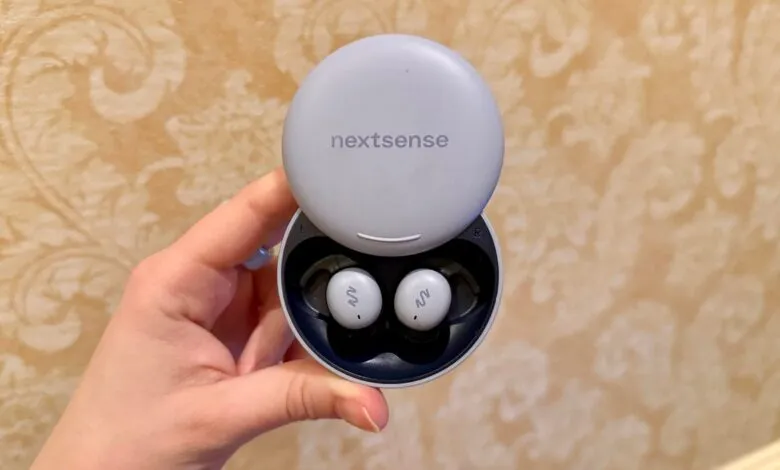
– Consumer EEG technology is emerging through devices like wireless earbuds, aiming to make brain activity monitoring accessible outside of medical settings.
– The health tech industry is heavily focused on hormone health tracking and non-invasive vagus nerve stimulation, alongside widespread integration of hypertension detection features.
The landscape of personal health is being reshaped by a wave of intelligent technology, moving beyond simple tracking to offer proactive, integrated wellness solutions. Artificial intelligence is now the foundational engine driving this transformation, seamlessly working behind the scenes to turn complex biometric data into actionable health insights. The conversation is shifting from whether a device uses AI to how effectively it translates information into meaningful diagnostics and prompts for positive behavior change. This core advancement is making sophisticated health monitoring more accessible and personalized than ever before.
During recent industry events, a clear picture emerged of where health technology is headed. The hardware in these devices is achieving new levels of accuracy, with several products now securing FDA clearance for specific functions. This medical validation is quickly becoming a standard expectation rather than a luxury. Experts note the move toward multi-signal insights, where data from various sensors is correlated to paint a fuller health picture, linking movement to stress levels or breathing patterns to potential illness.
Wearable design is undergoing a significant aesthetic revolution. Gone are the bulky, obvious trackers; today’s devices are sleek and stylish. Smart rings are becoming remarkably thin and light, while fitness bands now resemble modern jewelry. This focus on form factor reduces the friction between daily fashion and continuous health monitoring, signaling mainstream adoption. The goal is no longer to be a conversation piece but to work inconspicuously in the background, gathering data beautifully and discreetly.
Haptic feedback is evolving into a more nuanced tool, especially within smart rings. As these compact devices gain functionalities like smart alarms and health alerts, subtle vibrations serve as a crucial bridge between passive data collection and active user nudges. Companies are also exploring integrated NFC for payments and digital keys, and even experimental features for capturing thoughts, pushing the boundaries of what a small wearable can do.
Consumer-grade EEG technology is breaking out of clinical settings. Traditional brainwave monitoring involved cumbersome equipment and gels, but new innovations are integrating this capability into wireless earbuds. These devices aim to track brain activity during work, sleep, and exercise, bringing neurofeedback into daily life. While signal quality and translating raw data into user-friendly insights remain challenges, the momentum behind making brainwave monitoring accessible is undeniable.
Hormone health continues to command significant attention, fueled by investment and consumer demand. The market for at-home testing kits for cortisol, progesterone, and ovulation has expanded rapidly, making fertility and hormonal tracking more convenient. This creates natural integration opportunities for wearable tech apps and even smart home devices, potentially offering a more continuous and holistic view of hormonal cycles.
A new frontier in wellness focuses on the vagus nerve, which influences everything from stress to sleep. While surgical implants for nerve stimulation treat conditions like epilepsy, new consumer devices offer non-invasive stimulation through wearables placed on the ear or neck. Proponents suggest these tools can help manage period pain, promote calmness, and improve sleep, though individual results will vary as the technology develops.
Finally, managing hypertension is a major focus for device makers. With high blood pressure affecting a large portion of the population, tech companies are racing to integrate monitoring features. Following leading smartwatches that received FDA clearance for hypertension detection, other brands are introducing their own blood pressure risk assessment tools into scales and wearables. While these devices typically can’t replace a traditional cuff for precise, minute-by-minute readings, they can effectively alert users to significant changes and trends, encouraging timely medical consultation.
(Source: ZDNET)
