Bandcamp Bans AI-Generated Music
▼ Summary
– Bandcamp has announced a new policy prohibiting music that is wholly or substantially generated by AI, including AI used to impersonate artists.
– The policy aims to protect the platform’s community of human artists from being overwhelmed by automated content.
– Bandcamp will rely on user reports and reserves the right to remove any music suspected of being AI-generated.
– This stance contrasts with platforms like Spotify, which permits AI music but has faced user frustration and issues with artificial streaming fraud.
– The decision reflects a broader debate about preserving spaces for human creativity amidst the easy proliferation of AI-generated content.
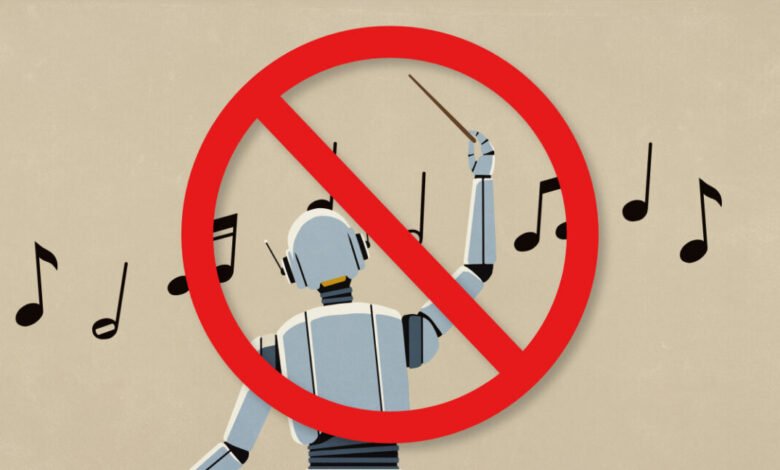
The recent decision by Bandcamp to prohibit AI-generated music marks a significant stance within the digital music ecosystem, prioritizing human artistry over algorithmic output. The platform announced a new policy explicitly banning any music or audio created wholly or substantially by artificial intelligence, including the use of such tools to mimic existing artists or styles. This move directly addresses growing concerns about authenticity and creative ownership in an industry increasingly flooded with computer-generated content.
This policy attempts to navigate a complex debate within the musical community regarding the role of AI as a tool versus a replacement for human creativity. The company acknowledges a spectrum of use, from minor assistance like audio cleanup to fully automated track generation. Bandcamp’s rules specifically target content at the automated end of that spectrum, aiming to curb music created primarily through simple prompts. The intention is to protect the platform’s established culture of human musicians while still allowing for artists who might incorporate AI elements into a broader, personally-driven creative workflow.
Central to the announcement is a commitment to safeguarding the community of artists and fans that defines Bandcamp. The platform described its user base as a “vibrant community of real people making incredible music,” something it actively seeks to preserve. To enforce the new guidelines, Bandcamp is relying on its user community, encouraging people to report suspected AI-generated content through existing tools. The company reserves the right to remove any music based on suspicion of AI generation, placing the onus on both automated systems and human vigilance.
This approach presents a clear alternative to platforms like Spotify, which currently permits AI-generated music. Users of streaming services have reported frustration with the sheer volume of tracks created by tools such as Suno and Udio, which can clutter playlists and discovery algorithms. Issues with AI music are not entirely new; last year, Spotify removed tens of thousands of AI-generated songs from one distributor after detecting artificial streaming fraud, yet the deluge of content has continued unabated.
The divergent paths of Bandcamp and Spotify illustrate two philosophical responses to the same technological wave. One platform chooses to build a dam, aiming to protect a space dedicated to human expression from being overwhelmed. The other allows the flood, managing it through existing content and fraud policies. This fundamental choice will likely shape the identity and audience of each service, as listeners and artists decide which environment best aligns with their values concerning art, creation, and authenticity in the digital age.
(Source: Ars Technica)