Lenovo Unveils AI Glasses Concept
▼ Summary
– Lenovo unveiled a concept for lightweight AI-powered smart glasses at CES 2026, featuring a 2MP camera and a binocular display.
– The proposed glasses include a green monochrome display, a 28-degree field of view, and a mix of touch and voice controls for hands-free calling and music.
– A key and unusual feature is the ability to tether the glasses to both a phone and a PC, which is rare for current smart glasses.
– Planned AI features include live translation, intelligent image recognition, and summarized notifications from multiple devices.
– The concept has puzzling aspects, like a low-resolution 2MP camera and an unclear use case for PC connectivity, which is why it remains just a concept for now.
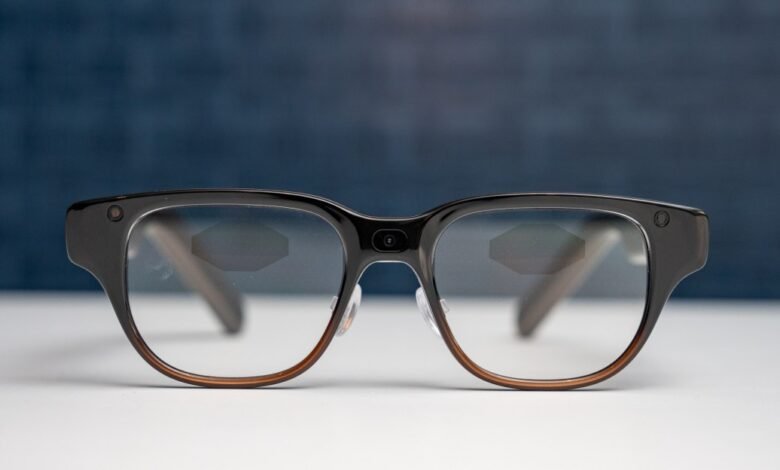
At the recent CES 2026 event, Lenovo introduced a new concept for AI-powered smart glasses, signaling its entry into a competitive wearable technology space. The design focuses on a lightweight frame, weighing approximately 45 grams, and incorporates a binocular display system within both lenses. This display is reported as a green monochrome type, offering a 28-degree field of view and a brightness level of 1,500 nits. Integrated hardware includes a 2MP camera positioned above the nose bridge, dual microphones, two speakers, and a 214mAh battery to power the device.
The proposed functionality blends touch and voice commands for a hands-free user experience. Core features would include making calls, playing music, and receiving summarized notifications from various connected devices. A notable and uncommon aspect is the glasses’ ability to tether not just to a smartphone but also to a personal computer, which distinguishes it from many current smart glasses designed primarily for mobile use. Lenovo also suggests future capabilities like real-time language translation and intelligent image recognition software.
However, the overall specification sheet presents some puzzling choices. The inclusion of a 2MP camera seems particularly underwhelming for photographic purposes, especially when compared to competitors like Meta, whose smart glasses feature a much more capable 12MP sensor. The practical application of connecting to a PC, as opposed to the more typical smartphone pairing, remains unclear for a product category generally marketed as an on-the-go accessory. These ambiguities likely contribute to Lenovo’s current stance, presenting the glasses strictly as a conceptual exploration rather than a finalized product ready for market. The stylish design is a positive, but the core technology and its intended use case require further refinement and explanation.
(Source: The Verge)