CES 2026: Robotaxis and AI Steal the EV Spotlight

▼ Summary
– Hyundai’s CES keynote focused on a Boston Dynamics humanoid robot, signaling a shift in the auto industry’s focus away from EVs.
– Major announcements at CES centered on AI and autonomy, including Mercedes’ driver-assist feature and Uber’s Lucid Gravity robotaxi.
– The only new four-wheel vehicle debut was a prototype, highlighting the subdued presence of traditional car launches.
– Global EV sales growth is expected to slow due to policy changes in China, Europe, and the US, causing automakers to pivot to hybrids.
– The industry is emphasizing AI strategies to appeal to investors, moving beyond simply selling cars to showcase futuristic technology.
The world’s premier electronics showcase, CES 2026, delivered a clear signal about the shifting priorities of the automotive industry. While electric vehicles have dominated headlines for years, this year’s event saw a decisive pivot toward artificial intelligence and autonomous driving, with established automakers showcasing their technological ambitions beyond the battery pack.
Hyundai’s decision to use its keynote presentation to feature Boston Dynamics’ Atlas humanoid robot was particularly telling. Rather than unveiling a new electric car, the company chose to highlight advanced robotics, signaling a broader strategic focus. This move reflects how the industry is processing the more challenging outlook for EV adoption in markets like the United States and redirecting attention toward what it believes is the next frontier.
The emphasis on automation and AI was widespread. Mercedes-Benz detailed plans to introduce its advanced, Nvidia-powered Level 2++ driver-assistance system in the U.S. market later this year. Ride-hailing giant Uber showcased its forthcoming robotaxi, built on the Lucid Gravity platform, slated for a 2026 launch. Nvidia itself, a central player in the AI boom, announced a new suite of open-source AI models designed specifically to power next-generation autonomous and assisted driving features.
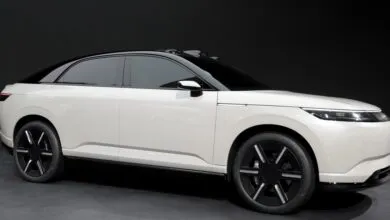
In contrast, traditional vehicle debuts were scarce. The sole four-wheeled premiere was an updated prototype of the Sony and Honda Afeela SUV. The standard model was also present, yet it remains in a pre-production state five years after its initial concept was revealed. This lack of new EV models underscores the current recalibration happening across the sector.
The subdued presence of electric vehicles aligns with a more cautious global market. Analysts project a significant slowdown in EV sales growth for 2026, influenced by China reducing subsidies, European uncertainty over combustion engine bans, and shifting policy support in the United States. In response, many automakers are scaling back aggressive EV rollouts, instead prioritizing hybrid and extended-range electric vehicles as more pragmatic interim solutions.
Concurrently, artificial intelligence commands overwhelming attention. Automakers appear convinced that to captivate investors and maintain a cutting-edge image, they must articulate a compelling AI vision. This extends beyond software to include integrated chatbots and, as Hyundai demonstrated, even robotics. The message is that simply manufacturing and selling vehicles is no longer sufficient for market leadership.
Whether CES will once again become a stage for groundbreaking vehicle concepts remains to be seen. That future likely depends on the industry regaining confidence amid concerns over global trade dynamics and manufacturing expenses. For now, the spotlight has firmly shifted from electrification to intelligence and autonomy, defining the new battleground for automotive innovation.
(Source: The Verge)