Android XR Glasses: The 2026 Showdown
▼ Summary
– Google is expected to re-enter the smart glasses market in 2026, with initial screen-less models followed by versions featuring a monocular display.
– Unlike Meta’s Ray-Ban style sunglasses, Google’s Android XR glasses are designed to be worn all the time, aiming to replace regular eyeglasses and become a primary computing device.
– The glasses will leverage Android for seamless phone integration and could serve as a selling point for Android phones if support remains exclusive to the platform.
– Key features and implications include managing notifications, acting as open-ear headphones, and having an always-ready camera for capturing moments, though this raises privacy concerns.
– Google is framing these as “AI glasses” for real-time assistance, but must successfully pitch the narrative that using them helps users be more present compared to phone use.
The landscape for wearable technology is poised for a significant shift in the coming years, with Android XR glasses emerging as a pivotal new form factor. Based on recent hands-on experiences, the most compelling vision for smart glasses that integrate seamlessly into daily life appears to be materializing, with a major industry push anticipated for 2026. This move represents Google’s long-awaited re-entry into the arena, shifting the focus from niche accessories to primary computing devices.
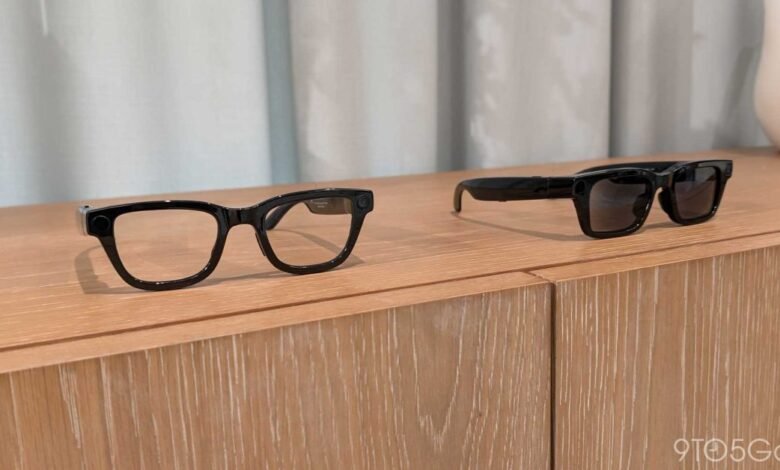
Initial models are expected to launch without displays, relying on microphones, speakers, and cameras. However, versions featuring a single monocular screen will follow closely. This approach differs markedly from competitors like Meta, which has largely focused on a sunglasses-style design. Google’s strategy aims to create glasses you wear all the time, intended to replace standard prescription eyewear for some while appealing to a broad audience as a constant companion to your phone and smartwatch. This fundamental shift in positioning could catalyze their adoption as essential consumer electronics.
Several factors contribute to their potential for widespread appeal. Samsung’s extensive hardware distribution and customer relationships will be crucial for market penetration. Furthermore, the Android-powered ecosystem ensures a seamless extension of your smartphone, potentially making the glasses a compelling exclusive feature that drives Android phone sales. For the foreseeable future, these devices will likely require an Android handset to handle the intensive processing demands.
The practical applications and marketing narrative present fascinating questions. Core functionality will certainly include intelligent notification management. An intriguing long-term effect could be on the personal audio market, as always-worn, open-ear headphones might reduce reliance on traditional earbuds. The inclusion of a persistent, world-facing camera introduces profound privacy considerations, but also offers immense value. Having an always-ready POV camera could capture spontaneous moments without the intrusive act of pulling out a phone, allowing users to remain engaged with their surroundings.
A central component of Google’s vision is artificial intelligence, branding the hardware as “AI glasses.” This form factor is ideally suited for real-time assistants like Gemini Live, which can use the camera feed to understand and interact with the user’s environment. The hands-free nature should make invoking such assistance more natural and frequent. However, leading with an “AI” label risks feeling niche compared to the more universally understood “smart” designation used for phones and watches.
Beyond features, Google must craft a compelling story about why these tasks belong on your face. One promising narrative from recent demonstrations suggests that brief interactions with glasses, rather than a phone screen, could foster greater presence in daily life. This philosophy of subtle, ambient computing, exemplified by something as simple as a persistent, high-fidelity time and date display in the corner of your vision, hints at a future where augmented reality quietly enhances reality without overwhelming it. The quality of this experience seems ready to impress from the very first iteration.
(Source: 9to5 Google)