GE’s Smart Fridge Features Built-In Barcode Scanner & Tablet
▼ Summary
– GE Appliances is launching a $4,899 smart fridge at CES 2026 with a built-in barcode scanner, interior camera, and 8-inch tablet to help manage shopping lists and reduce food waste.
– The refrigerator’s key novel feature is a built-in scanner that adds empty packages to a digital shopping list within the GE SmartHQ app, including product details.
– The appliance includes a new “Hey, HQ” voice assistant for tasks like list management and water dispensing, and the screen provides recipes and meal-planning features.
– A future AI-powered camera upgrade is planned for precise food tracking, addressing food waste, though similar technology already exists in competitors’ products like Samsung’s Family Hub.
– Potential drawbacks include being locked into GE’s ecosystem, concerns over tablet longevity and software updates, and the risk of companies using integrated screens to display advertisements.
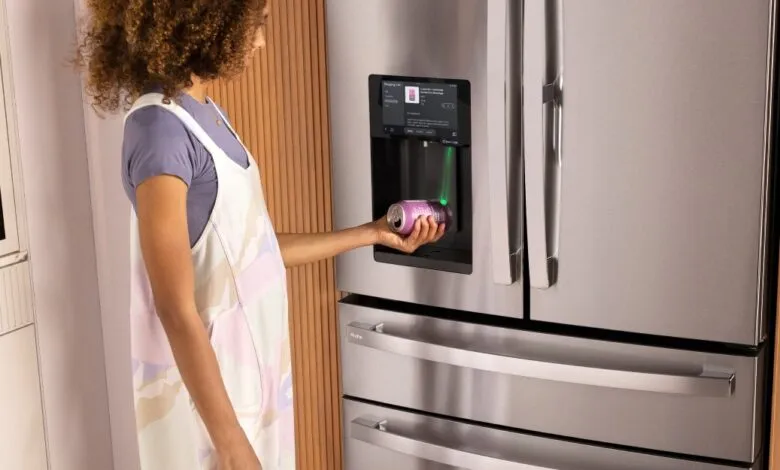
Keeping track of groceries and managing kitchen supplies just became more streamlined with the latest innovation in connected appliances. GE Appliances has unveiled a new smart refrigerator featuring a built-in barcode scanner and an integrated tablet, aiming to simplify shopping and reduce food waste. This model, the GE Profile Smart 4-Door French-Door Refrigerator with Kitchen Assistant, represents a significant step in embedding purposeful technology directly into household essentials.
Priced at $4,899 and set for an April launch following its CES 2026 debut, this refrigerator integrates several smart features into a cohesive system. The centerpiece is an 8-inch touchscreen tablet seamlessly built into the water dispenser panel, avoiding the bulky appearance of past attempts. More notably, a barcode scanner is positioned directly below this screen. The practical idea is simple: as you finish products, you scan the empty packaging. This action automatically logs the item, including specific details like brand and size, to a digital shopping list within GE’s SmartHQ app.
Beyond scanning, you can add items manually on the touchscreen or by using the fridge’s new native voice assistant, called “Hey, HQ.” This assistant handles tasks like setting kitchen timers, dispensing precise amounts of water, and providing appliance information, with responses displayed visually on the screen. For meal inspiration, the tablet offers access to recipes from Taste of Home, allowing you to add required ingredients to your shopping list with a few taps.
An interior camera focused on the crisper drawer lets you check vegetable supplies remotely via the app. GE plans to enhance this with AI-powered object recognition in the future, a move aimed at providing more accurate food tracking to prevent over-purchasing. The company explicitly states the goal is not full inventory management, but rather to facilitate easier shopping and help tackle food waste.
Once your list is compiled, the ecosystem allows for ordering groceries through Instacart, checking off items in-store, or exporting the list as a PDF. The refrigerator also includes a speaker and microphone, enabling music and podcast streaming through the unit.
While this integration promises convenience, it does tie users firmly to GE’s SmartHQ ecosystem. Early experiences with the companion app have shown room for improvement, and reliance on a single manufacturer’s platform can feel restrictive, particularly for meal planning. There are also broader concerns about longevity; the embedded tablet may become obsolete or cease receiving updates long before the refrigerator itself reaches end-of-life. This trend of screen-equipped appliances is growing, with competitors like Samsung and Hisense introducing similar models.
A further consideration is the potential for these always-connected screens to become platforms for advertising, a practice already explored by other brands. The balance between the undeniable convenience of such integrated systems and the gradual ceding of control to appliance manufacturers will be a key area to observe as this technology evolves.
(Source: The Verge)