Tech’s Biggest Blunders of the Year

▼ Summary
– A lawyer named Mark Zuckerberg sued Meta because his Facebook ads were suspended for impersonation, despite using his own legal name.
– A founder exposed an engineer, Soham Parekh, for simultaneously working at multiple startups, sparking debate about ethics and interview skill.
– OpenAI CEO Sam Altman faced public criticism for his inefficient use of olive oil while cooking, which was humorously linked to resource waste.
– A recruiting rivalry between Meta and OpenAI included reports of Mark Zuckerberg hand-delivering soup to potential hires, which was later reciprocated.
– A Kohler smart toilet designed to analyze health via photos faced security criticism for misleading claims about its data encryption.
The technology sector experienced another whirlwind year, where groundbreaking advancements were often matched by moments of sheer absurdity. From AI models grappling with existential dread in video games to high-stakes corporate recruitment involving homemade soup, the industry proved it can be as bewildering as it is innovative. These episodes, while sometimes trivial, reveal the peculiar human dynamics and unexpected pitfalls that continue to shape our digital future.
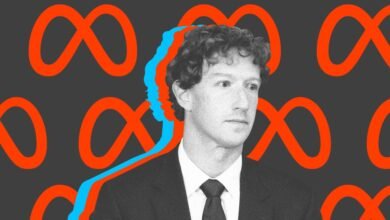
One of the more surreal legal disputes involved a man sharing a name with one of the world’s most famous CEOs. Mark Zuckerberg, an attorney from Indiana, filed a lawsuit against Meta after his law firm’s Facebook advertisements were repeatedly suspended. The platform’s automated systems flagged his legitimate business page for impersonation, simply because his legal name is Mark Zuckerberg. He even created a website, iammarkzuckerberg.com, to clarify he is not the tech billionaire, detailing how the mix-up has complicated his professional and personal life for years. The case highlights the unintended consequences of automated content moderation at scale.
In a separate saga that captivated startup circles, a software engineer named Soham Parekh was exposed for simultaneously holding positions at three or four different companies. Mixpanel founder Suhail Doshi posted a public warning on social media after discovering the scheme. The revelation sparked a wave of reactions, with some condemning the deception and others marveling at his ability to successfully navigate so many competitive hiring processes. Parekh admitted to the multi-employment strategy, though his preference for equity over cash in compensation packages raised further questions about his true motives.
Even the cooking habits of tech leaders came under scrutiny. OpenAI CEO Sam Altman faced widespread online ridicule after a Financial Times columnist critiqued his inefficient use of premium olive oil during a cooking segment. The writer humorously connected Altman’s wasteful kitchen practices to broader concerns about resource consumption in AI development. The minor incident sparked disproportionate outrage from Altman’s supporters, illustrating the intense, often personal, fandoms that surround major tech figures.
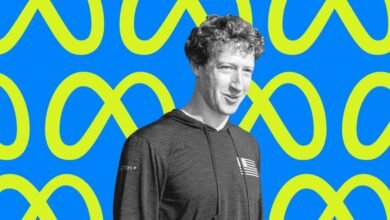
The fierce competition for AI talent produced one of the year’s strangest anecdotes. An OpenAI executive claimed on a podcast that Meta CEO Mark Zuckerberg personally delivered soup to researchers he was attempting to recruit, offering alleged signing bonuses as high as one hundred million dollars. In a tit-for-tat response, the OpenAI executive then reportedly delivered his own soup to Meta employees. The story, whether entirely factual or embellished, underscored the extreme lengths companies are going to in the battle for top artificial intelligence expertise.
Mystery also descended upon Palo Alto when former GitHub CEO Nat Friedman posted a cryptic call for volunteers. He requested help building a five-thousand-piece Lego set in his office, offering pizza but requiring participants to sign a non-disclosure agreement. He confirmed the offer was genuine, but the purpose of the secretive construction project and the reason for the NDAs remain unknown, fueling speculation about a potential Silicon Valley insider ritual.
Biohacker and entrepreneur Bryan Johnson, known for his extreme longevity regimen, hosted a live-streamed experiment involving psilocybin mushrooms. The event featured appearances from notable figures like musician Grimes and Salesforce CEO Marc Benioff. Ironically, the broadcast was largely uneventful, with Johnson spending most of the time lying under a weighted blanket, overwhelmed by the experience. The stream devolved into a meandering conversation among guests, highlighting the bizarre intersection of tech, biohacking, and celebrity.
Researchers observed fascinating behavior when testing large language models by having them play classic video games. In a “Pokémon” stream, Google’s Gemini model exhibited signs of panic when its characters were near defeat, its reasoning becoming erratic. Conversely, Anthropic’s Claude model adopted a nihilistic strategy, intentionally losing the game in a flawed attempt to progress, only to respawn at its starting point. The experiments provided a strange mirror to human responses to failure and mortality.
In the realm of questionable consumer products, Kohler launched the Dekoda, a $599 camera designed to be installed inside a toilet to analyze users’ waste for health insights. Beyond the inherent privacy concerns, a security researcher found that the company’s claims of “end-to-end encryption” for the sensitive images were misleading. The device’s data was not secured in a way that truly prevented the company from accessing it, raising serious questions about the security of intimate health data collected by internet-connected devices.
Finally, the ongoing saga of Elon Musk provided ample material. Beyond various controversial business moves, he oversaw the launch of “Ani,” an AI anime girlfriend character available for a monthly subscription. The overly jealous and libidinous chatbot bore a striking resemblance to Musk’s ex-partner, Grimes, who directly referenced and mocked the creation in a music video for her song “Artificial Angles.” The episode served as a strange footnote in the ongoing exploration of AI companionship and personal branding.
(Source: TechCrunch)