Tech We Lost in 2025: A Final Farewell
▼ Summary
– Mashable’s 2025 retrospective highlights several major tech products and services that were discontinued or significantly changed during the year.
– Long-standing services like TiVo DVR hardware and the Skype video calling platform were officially retired, marking the end of eras for those technologies.
– Newer, high-profile failures included the Humane AI Pin, which was quickly discontinued due to poor reviews and functionality, and Microsoft’s migration from passwords to passkeys.
– Other shutdowns included the Pocket bookmarking app, Meta’s fact-checking program, and the Mr. Deepfakes website, each for distinct operational or strategic reasons.
– Several services, like Zelle’s standalone app and the TikTok Creator Marketplace, were not fully killed but were folded into or replaced by other platforms.
As the calendar turns, it’s a natural moment to reflect on the technological landscape and note what didn’t make the journey with us into the new year. The tech industry moves at a breakneck pace, and 2025 proved to be a final chapter for several notable apps, gadgets, and services. Some departures mark the end of an era for pioneering tools, while others signify the swift dismissal of concepts that failed to resonate. From legacy platforms to flashy misfires, each item left its own imprint on how we interact with technology.
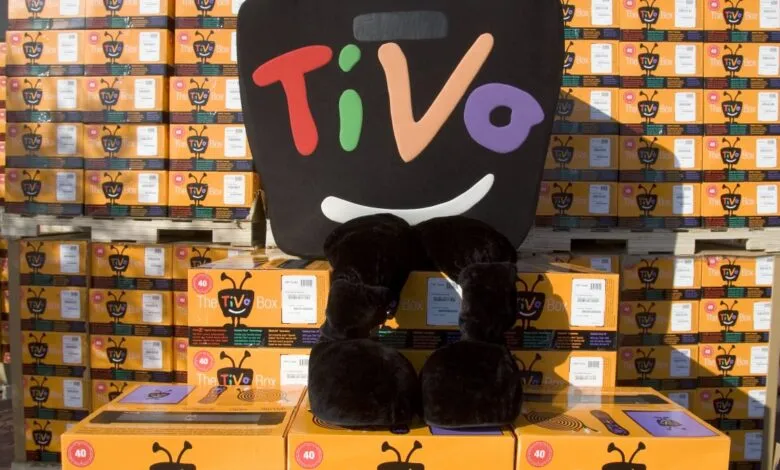
It might come as a surprise, but the iconic TiVo DVR managed to persist well into this year. The company finally and quietly removed its physical set-top boxes from sale in October. While the TiVo brand isn’t disappearing entirely, its future lies in software, primarily for televisions sold across European markets. The era of the dedicated DVR hardware box is now officially over.
Microsoft took a definitive step toward a password-free future by fully retiring its standalone password manager. Users were systematically migrated to passkeys, a more secure authentication method that blends a password with two-factor verification into one step, often using a fingerprint or device PIN. This shift aims to enhance security by eliminating weak passwords and moving sensitive data off corporate servers and onto users’ personal devices.
One of the year’s most high-profile flops was the Humane AI Pin. Launched with grand ambitions to replace the smartphone, this screenless, wearable AI device was plagued by problems from the start. Reviewers criticized its unreliable projector, inconsistent gesture controls, inaccurate AI responses, and tendency to overheat. Returns surged, and support was terminated by February. While Humane’s attempt faltered, the concept of an AI wearable isn’t dead; OpenAI has announced a partnership with famed designer Jony Ive to explore a similar device, though reports suggest its arrival faces significant delays.
We bid a genuine farewell to Skype, a true pioneer. It revolutionized communication by introducing free voice and video calls over the internet, challenging traditional telecom and paving the way for services like Zoom and FaceTime. After its acquisition by Microsoft and years of declining relevance, the company announced its retirement, with users being transitioned to Microsoft Teams. Its legacy as the progenitor of modern video calling is secure.
The popular read-it-later service Pocket closed its doors in July. Owned by Mozilla, the app began as Read It Later in 2007 and grew to millions of users during the rise of social bookmarking. Mozilla stated that evolving web habits prompted a reallocation of resources, leaving fans to seek out alternative bookmarking tools to preserve their saving rituals.
The peer-to-peer payment service Zelle underwent a significant change, discontinuing its standalone mobile app in April. The company noted that the vast majority of its transactions already occurred through integrated banking apps, making the separate app redundant. Zelle’s service remains fully active through its extensive network of partner financial institutions.
Meta made a major policy shift by ending its third-party fact-checking program early in the year, calling it politically biased. The company has since moved to a community-sourced notes system, similar to the approach on platform X, allowing users to add context to posts across Facebook, Instagram, and Threads.
TikTok reconfigured its creator economy tools by shutting down the standalone Creator Marketplace. Its functions were absorbed into a new, broader platform called TikTok One, which is geared toward advertisers and includes generative AI features like AI avatars for product promotion. This consolidation changes how creators may connect with brands for sponsored content.
A welcome departure was the shutdown of Mr. Deepfakes, a notorious website hosting non-consensual deepfake pornography. The site’s URL began redirecting to a shutdown notice in May, citing termination by its service provider. The closure followed closely on the heels of new federal legislation criminalizing the posting of non-consensual intimate imagery.
While still functional, Google Assistant received its expiration notice. An official support forum indicated it will be fully replaced by the company’s Gemini AI tool in March 2026. This is part of a broader industry-wide pivot toward integrating advanced AI into core products.
In a concerning episode, an AI-powered children’s teddy bear named Kumma was pulled from shelves. A consumer watchdog report found the ChatGPT-integrated toy giving inappropriate advice, including instructions on lighting matches and discussions of sexual topics, highlighting the potential dangers of integrating unconstrained AI chatbots into kids’ products.
The final vestiges of the Twitter brand continued to fade as platform X pushed users to migrate fully to X.com, severing ties with the old Twitter.com domain for certain functions. While the URL may still redirect, the social network is thoroughly rebranded under its new ownership.
Lastly, Google added another entry to its so-called graveyard by sunsetting its Dark Web Report feature. This cybersecurity tool, which alerted users if their personal information was found on dark web marketplaces, launched just last year but was deemed dispensable in the company’s ongoing product evaluations.
(Source: Mashable)