How a Smart Garden Fixed My Black Thumb
▼ Summary
– The Gardyn Studio 2 is an expensive, automated indoor gardening system that uses hydroponics, AI, and sensors to grow plants with minimal user effort.
– Its AI assistant, Kelby, manages light and water cycles and provides alerts, but requires a costly monthly subscription starting at $19.
– The system successfully allowed the author, a self-described plant-killer, to grow a variety of fresh produce indoors, reducing grocery purchases and food waste.
– Key drawbacks include its high upfront cost, the brightness of its required grow lights, and its substantial physical footprint of about 5 feet tall.
– While requiring some maintenance like harvesting and tank cleaning, it is presented as a foolproof solution for those lacking the space, time, or expertise for traditional gardening.
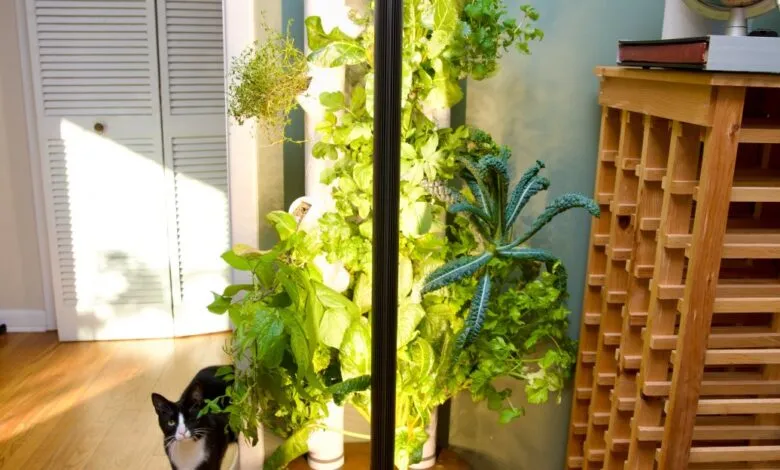
For years, my aspirations of cultivating a garden met with consistent failure. Despite earnest efforts in both Idaho and South Carolina, my horticultural endeavors yielded little more than a handful of resilient cherry tomatoes. I had resigned myself to a life without homegrown greens, convinced my black thumb was a permanent condition. That changed when I introduced the Gardyn Studio 2, a smart indoor garden system, into my home. This automated platform leverages artificial intelligence to manage the nurturing process I could never master, finally turning my dining room into a source of fresh produce.
The system operates using a vertical hydroponic setup, automated full-spectrum LED lighting, and an integrated camera. Its AI assistant, named Kelby, analyzes sensor data and regular plant images to manage light and water cycles, sending alerts when human intervention is needed. While the upfront cost is significant at $549, and it requires a monthly subscription starting at $19 for Kelby’s services and new seed pods, the results have been transformative. Within three months, I successfully grew basil, lettuce, kohlrabi, green beans, chard, and even a sunflower. I am currently cultivating strawberries, cherry tomatoes, and lavender indoors during winter, a feat that feels nothing short of miraculous.
Finding the right location for the Gardyn is one of its few challenges. The unit occupies about 1.4 square feet of floor space and stands nearly five feet tall. The powerful grow light, which runs 14-16 hours daily, proved too intense for my open-plan kitchen, so I placed it in the adjacent dining room. Setup was intuitive, taking roughly twenty minutes, and the system came with a starter kit of 16 pre-seeded pods. Following the app’s guidance, I positioned the pods and let the Gardyn take over. My primary responsibilities were refilling the water reservoir and adding plant food when prompted by Kelby.
The experience is largely hands-off until harvest time. Once the leafy greens began flourishing, harvesting became a more frequent task. I found myself doing some strategic pruning and rearranging of pods to ensure all plants received adequate light. While most plants thrived, a couple of seed pods never sprouted, and my bull’s blood beets languished. Gardyn’s subscription model made it simple to swap these out for new pods, like green beans and strawberries. The system has significantly reduced my family’s grocery bill and food waste, as everything is harvested fresh and used immediately, never languishing in the refrigerator.
A key feature is the Kelby AI assistant, which processes data from humidity, temperature, and water-level sensors alongside visual plant analysis. It essentially functions as a round-the-clock gardener, automating what it can and providing clear instructions when you need to step in. For a novice or someone with a proven track record of plant neglect, this guidance feels indispensable. However, if you choose not to continue the subscription after the free trial, you can still automate basic lighting and watering schedules and purchase individual seed pods.
The Gardyn Studio 2 represents a compact, high-tech solution for home food production. It requires far less effort than traditional gardening while delivering a satisfying and tangible yield. I am even experimenting with transplanting mature plants like chard and celery into my outdoor garden, though they will now be beyond Kelby’s watchful care. For anyone who desires fresh, homegrown herbs, vegetables, or flowers but lacks the time, space, or confidence, this system offers a remarkably foolproof path to becoming a successful indoor gardener.
(Source: The Verge)