2025’s Top Designs: Why Nostalgia Outshone Tech Trends
▼ Summary
– The article argues that nostalgia is a powerful commercial force, citing resurgences in old music, film franchises, and retro tech trends as evidence.
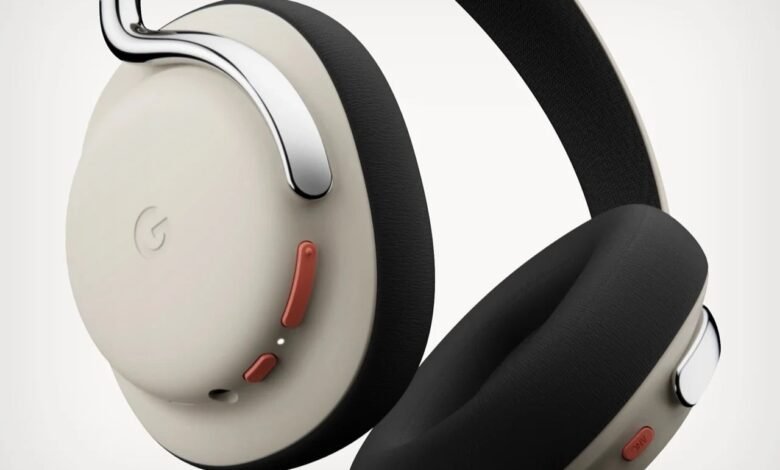
– It presents ten selected designs from 2025, starting with the Google Pixel Headphones concept, which highlights a market gap by generating more excitement than Google’s actual products.
– Another highlighted design is the Concept Plumage keyboard case, a 13-year-old concept that remains relevant by solving the persistent problem of poor touchscreen typing with a physical keyboard.
– Several designs, like the HubKey Gen2 and TobenONE hub, focus on improving tech connectivity and workflow by consolidating functions into smarter, more interactive devices.
– The selections also include designs that blend nostalgia with modern function, like a modernized iPod, and civic projects like the Plus Pool, which aims to create new public infrastructure.
Looking back at the year, a fascinating pattern emerged in design and technology: a powerful wave of nostalgia often resonated more deeply than the latest technical breakthroughs. This trend wasn’t about rejecting progress, but about blending cherished elements from the past with the functionality of the future. From reimagined classics to concepts that solved enduring frustrations, the most compelling designs of 2025 frequently looked backward to move forward, proving that emotional connection can be as valuable as raw innovation.
We’ve curated a selection of standout designs that defined the year. This first installment highlights ten exceptional picks that captured our attention, balancing editorial insight with what genuinely excites the creative community. If you missed the daily design discourse while navigating the complexities of the year, consider this a curated guide to the concepts and products that made a significant impact.
1. Google Pixel Headphones by Sidhant Patnaik
A compelling concept can sometimes generate more buzz than a finished product. Designer Sidhant Patnaik’s vision for Google Pixel Headphones exists only digitally, yet it sparked widespread enthusiasm. The render integrates the clean, two-tone aesthetic of Pixel phones and positions Gemini AI as a central, intuitive feature. It imagines gesture controls and deep ecosystem integration, presenting a credible blueprint that left many wondering where to purchase it.
This concept highlights a curious market gap. Google possesses superior voice recognition, advanced AI, and deep Android integration, yet it cedes the premium over-ear headphone space to competitors. The overwhelming positive response to this render is a clear market signal. When a speculative design generates this level of desire, it transitions from fantasy to a pointed critique of missed opportunities.
2. Concept Plumage by Jet Weng
One of the year’s most relevant designs is actually thirteen years old, a testament to being truly ahead of its time. Jet Weng’s Concept Plumage is a flip-case that integrates a physical QWERTY keyboard into the back of a phone case. For lengthy typing, you flip it around for tactile feedback; when done, it folds away flush. It solves a persistent modern annoyance: the enduring inadequacy of touchscreen keyboards.
What makes Plumage resonate now is that the core problem remains unchanged. Autocorrect still fails, thumbs still block the screen, and typing on glass is often frustrating. The design world promised we would adapt, but instead we acclimated to mediocrity. This concept offers a elegant, retro-futuristic solution that feels more necessary today than ever.
3. Public Library by Thilina Liyanage
This architectural concept commits to its theme with breathtaking literalness. The building’s exterior mimics an open book, with two curved structures meeting at a central spine. Inside, the convention of right angles is abandoned. Shelves follow the sweeping contours of the walls, and staircases flow between levels like narrative transitions.
Flooded with natural light from floor-to-ceiling glass, the interior uses minimal materials, white surfaces, polished concrete, clear railings, to ensure the architecture remains the focal point. It creates an environment that encourages lingering, a space that feels as inspiring as the stories it houses. This is a library designed not just to store books, but to celebrate the act of reading itself.
4. HubKey Gen2 by HubKey
Modern laptops often leave users with a tangle of dongles. The HubKey Gen2 consolidates this into an 11-in-1 hub with a clever twist: it includes programmable shortcut buttons and a rotary dial on top. This transforms it from passive infrastructure into an active control surface for adjusting volume, skipping tracks, or launching applications.
Its technical specs are comprehensive, supporting dual 4K displays, 100W charging, and high-speed data ports. The inclusion of customizable physical controls is a small change with a significant impact on workflow, earning this hub a permanent spot on the desk rather than hidden underneath it.
5. Switzerland Passport Re-design by RETINAA
The Geneva-based studio RETINAA approached Switzerland’s passport as a work of cartographic art. Centered on the theme of water, the design features hydrological maps and intricate illustrations of landmarks across its pages. It honors the nation’s legacy of precision design while meeting stringent security requirements.
A hidden layer elevates it further. Under ultraviolet light, glowing topographic lines reveal Switzerland’s mountainous terrain across the passport pages. This poetic integration of a security feature demonstrates what happens when talented designers are entrusted with a typically bureaucratic object. The document doesn’t just identify the bearer; it performs Swiss design ethos with every turn.
6. Modern Apple iPod by Zac Builds
This project perfectly encapsulates nostalgia’s powerful appeal. YouTuber Zac Builds resurrected a fifth-generation iPod, maintaining its iconic click-wheel exterior while comprehensively updating its internals for the modern era. He added USB-C, Bluetooth, expanded storage via SD card, and custom firmware that supports high-quality audio formats.
Crucially, it syncs via simple drag-and-drop, bypassing proprietary software. This build celebrates the joy of a dedicated, single-purpose music player, no notifications, no battery-draining apps, just music. That it took an independent creator to realize this vision, rather than Apple, speaks volumes about the current trajectory of consumer electronics and the enduring desire for focused devices.
7. TobenONE 6-in-1 Hub by TobenONE
The TobenONE T1 tackles the persistent nuisance of HDMI cables with a wireless transmitter-receiver system. Plug the transmitter into your laptop and the receiver into a display; they communicate over a direct 5G Wi-Fi link up to 30 meters away, requiring no network.
Its genius is in compounding convenience. The device doesn’t just enable wireless video; it also functions as a full USB-C hub with charging, data ports, and card readers. It eliminates both the video cable and the separate hub, making it an ideal solution for conference rooms, living rooms, or anyone tired of adapter chaos.
8. LEGO Snow Globes by ItzEthqn
LEGO has mastered the art of nostalgic appeal. These buildable snow globes hit a perfect sweet spot: they are tactile builds, decorative desk pieces, and seasonal gifts. Each transparent sphere contains a miniature brick-built scene, sealed atop a constructed base.
The design is clever in its scale and recognition. They are compact, instantly identifiable as both LEGO and a snow globe, and tap into dual streams of nostalgia: the hands-on joy of construction and the sentimental charm of a holiday classic. It’s a smart execution that feels both familiar and novel.
9. Plus Pool by Dong-Ping Wong, Oana Stanescu, Archie Lee Coates IV & Jeffrey Franklin
After 14 years of development, this ambitious public project began construction in 2025. Plus Pool is a floating, plus-shaped swimming facility designed to filter river water in real time. Its multi-layer system strains debris and uses UV treatment to clean water drawn directly from New York City’s East River.
The 320-ton structure will offer separate swimming zones and be accessible from a shoreline walkway. It represents a profound urban optimism, an infrastructure project that aims to reconnect people with a neglected natural resource. It’s the kind of transformative civic space that makes onlookers wonder why it wasn’t built decades ago.
10. Dash Cam 4K T800 by 70mai
This dash cam system addresses a critical flaw in most setups: blind spots. The 70mai T800 employs three synchronized lenses, a 4K front camera, a 1080p rear camera, and a 360-degree rotating interior camera. This trio provides comprehensive coverage of the road, the cabin, and crucially, the vehicle’s sides.
All feeds record simultaneously and can be viewed in a picture-in-picture display. With built-in GPS, impact sensors, and parking surveillance, it delivers complete situational awareness. The logic is impeccable: if you’re installing a camera for security, it should capture every relevant angle, turning ambiguous incidents into clear, documented events.
(Source: Yanko Design)
