How Mill Sealed Its Game-Changing Amazon and Whole Foods Deal

▼ Summary
– Mill, a food waste startup, has secured a commercial deal with Amazon and Whole Foods, expanding beyond its initial household customer base.
– Starting in 2027, Whole Foods will deploy Mill’s commercial bins to grind and dehydrate produce waste, reducing landfill fees and creating feed for egg producers.
– The bins will also collect data to help Whole Foods understand and reduce food waste, aiming to control costs more effectively.
– Mill’s commercial strategy was aided by its use of AI, developed with modern LLMs, to identify waste before it occurs and minimize retail “shrink.”
– The company views this commercial expansion as adding a crucial “leg to the stool” for business diversity and is also developing a municipal business line.
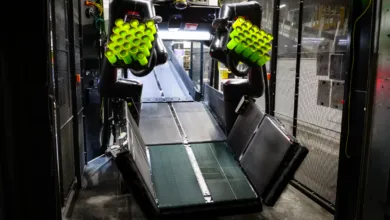
The strategic partnership between Mill and Whole Foods, backed by Amazon, represents a significant evolution in tackling commercial food waste through innovative technology. This move, set to begin in 2027, will see a commercial-scale version of Mill’s food waste bin deployed in every Whole Foods grocery store. These units will grind and dehydrate waste from the produce department, slashing expensive landfill fees and converting the output into feed for egg producers. Beyond disposal, the system’s data collection capabilities will provide Whole Foods with critical insights into waste patterns, aiming to reduce food loss at its source and further control operational costs.
Mill’s journey to this enterprise deal was deliberate. The company first established itself in the consumer market, selling well-designed household food waste bins. This initial phase, led by a team with roots in creating the Nest thermostat, was crucial for building proof of concept, gathering data, and fostering brand loyalty. CEO Matt Rogers noted that many members of the Whole Foods team were already personal users of Mill’s products when commercial discussions began, effectively serving as an unconventional enterprise sales strategy.
Conversations with Whole Foods started about a year ago, followed by trials of the consumer version in select stores. Feedback from these pilots helped refine the commercial model. A key factor in securing the agreement was Mill’s development of an AI system that uses sensors to analyze food entering the bin. This technology can identify items that might have been prematurely discarded, helping to minimize “shrink”, the industry term for lost sales from waste or theft. In a competitive grocery landscape, reducing shrink provides a direct financial advantage.
Rogers highlighted that advances in large language models accelerated this AI development. Compared to the extensive resources required for similar projects in the past, modern LLMs allowed a small team of engineers to achieve superior results quickly. This technological leap enabled Mill to diversify its revenue streams beyond consumers, a strategic priority for the company. Rogers drew a parallel to his experience at Apple during the iPod era, emphasizing the danger of relying on a single product line. The push for the iPhone was a lesson in building a multi-legged business to ensure resilience.
Looking ahead, Mill is not stopping with retail grocery. The company is actively exploring opportunities in the municipal sector, aiming to add even more diversity to its business model and continue building a sustainable, multi-faceted enterprise.
(Source: TechCrunch)