Step Into the Cockpit with the Navy’s Newest “Top Gun” Pilots
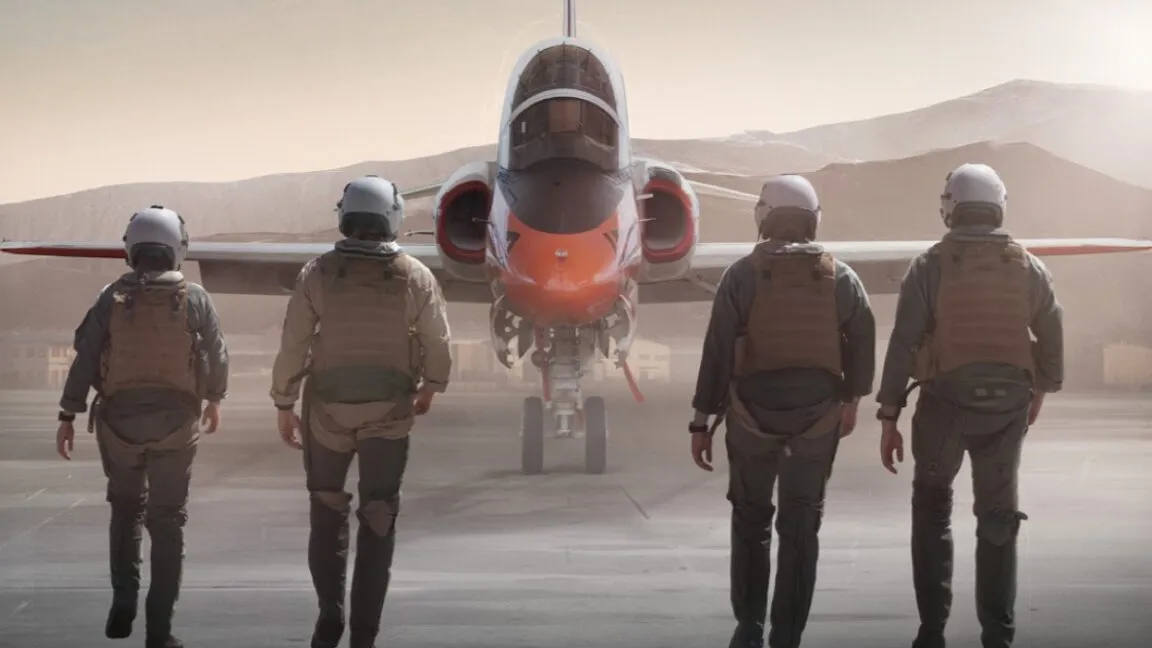
▼ Summary
– Pilots must constantly monitor multiple sensors and indicators to assess their energy state and aircraft position, not relying on a single number.
– Successful candidates exhibit dedication, hard work, and the ability to learn from failure and setbacks.
– Resilience is a key trait emphasized in training, with students expected to fail and recover in a safe environment.
– Training involves intentionally stressing students to prepare them for unexpected challenges in combat situations.
– Graduation is celebrated with traditions like dousing and receiving golden wings, marking the completion of rigorous training.
Stepping into the cockpit of a modern fighter jet demands more than just technical skill, it requires a continuous stream of split-second decisions and precise adjustments. Pilots must maintain a disciplined visual scan, interpreting multiple data sources simultaneously rather than relying on a single indicator. Waiting for airspeed to drop often means it’s already too late to correct for being underpowered, so aviators learn to read a combination of sensors and systems to assess their energy state and aircraft position accurately.
Successful candidates come from all personality types, introverts, extroverts, quiet thinkers, and natural leaders. What unites them isn’t a particular temperament but a shared set of core traits: dedication to the mission, relentless hard work, and the ability to learn from failure. Those who make it through the program don’t quit when they stumble; they absorb setbacks and come back stronger. That resilience is non-negotiable.
Earning their wings marks a pivotal moment for every graduate, celebrated with tradition and camaraderie. The ceremony, often involving a playful dousing by peers and the formal presentation of golden wings, symbolizes the culmination of intense training and the beginning of their operational careers.
Resilience isn’t just encouraged, it’s engineered into the training process. Instructors intentionally place students under stress and allow them to fail in a controlled, safe setting. The goal isn’t perfection on the first attempt but persistent effort toward mastery. This approach mirrors the unpredictability of combat, where unexpected challenges, whether from enemy action or system failure, demand quick recovery and adaptability. Learning to get back up after a setback isn’t just a training philosophy; it’s a combat survival skill.
(Source: Ars Technica)